Category Archives: Italy travel

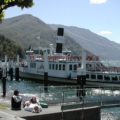
The Lake Como Car Ferry

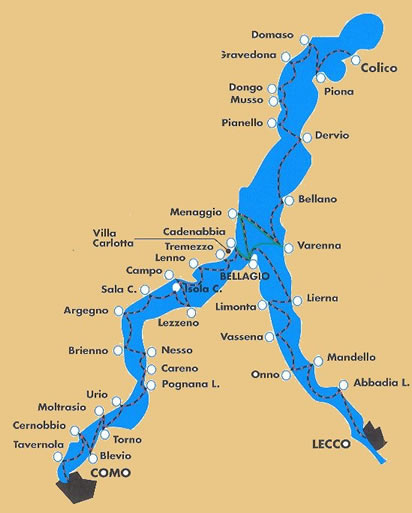
In the evening, we took the car ferry back from Cadenabbia (on the west bank of the lake) to Varenna, on our own side. This saved us the drive north around the tip of the lake and all the way down the eastern shore.

map: Gestione Navigazione Laghi

The Ferry Arrives

The ferry came across from Bellagio, and unloaded two Smart cars.

54 secs, 2.6 MB

Loading and Departing

42 secs, 2.1 MB

Our car had to be loaded backward, because we would be getting off at Varenna (the second stop) instead of Bellagio (the first). This is why I avoid driving in Italy as much as possible – it often requires maneuvers that I just can’t manage!

Ceramics, Embroidery – and a Nice Chianti

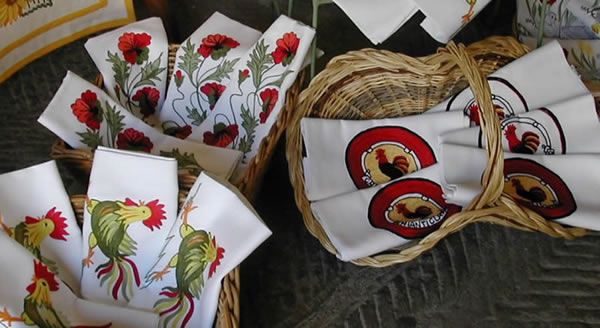
Shopping in Greve del Chianti

Greve del Chianti

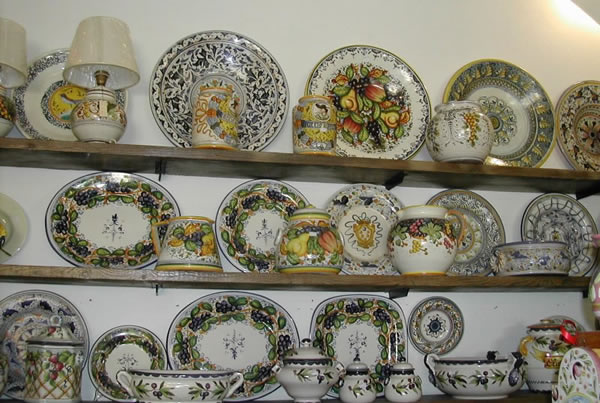
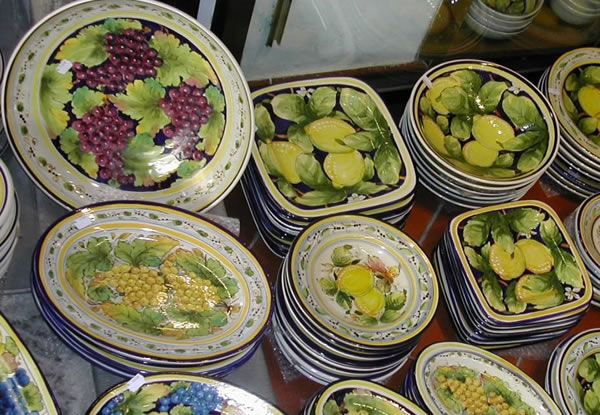
Italian ceramics

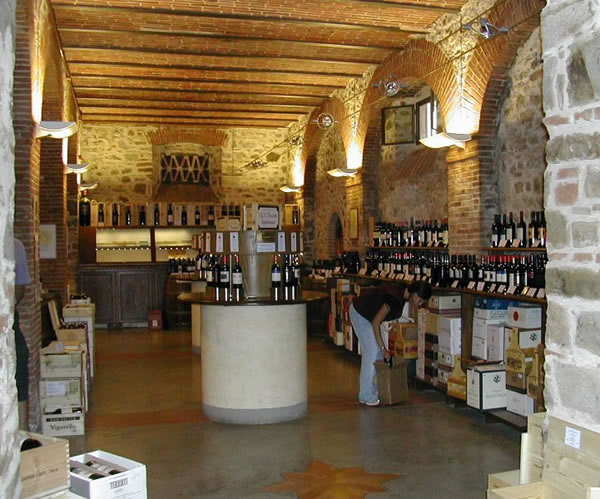
wine tasting room, Greve del Chianti

End your shopping day at the wine center, where you can taste “Super Tuscans” and all the other wonderful wines of Chianti.

^ top: This is the only town I’ve seen in Italy with its own logo.

Summer Fun, Italian Family Style

video shot July 27, 2004 – 3.2 MB

Roseto degli Abruzzi

Most Italians spend at least part of their summer vacation at a beach somewhere. Many have vacation homes, others stay in hotels. The cheapest option is camping, but Italian campgrounds have little in common with the KOA campgrounds I remember from some American parts of my childhood.

An average Italian campground has (of course) designated areas for campers and/or tents (some also have bungalows with small kitchens and bathrooms, which you can rent in lieu of bringing a tent or camper – those cost more, of course). There are central bathrooms with toilets, sinks, and showers with hot water. Most also have a restaurant and coffee bar, and a small market where you can get camping necessities as well as food. Some have swimming pools and other recreational facilities – at the very least, table soccer and a few arcade video games. Some have swimming pools, and of course beach access.

The upscale campgrounds also have organized activities and entertainment, such as karaoke, discos, and dance lessons. These are run by animatori (“animators”), young people hired for the summer who all seem to be good-looking, talented, energetic, and endlessly cheerful.

This video was shot at a friend’s campground in Abruzzo, you can probably recognize the young man and young woman who are this year’s animatori. They and the dance class participants (mostly kids) had worked up a little show; parents and other spectators were sitting in rows of chairs to watch.

NB: The word written across the underwear is SO-RP-RE-SA (surprise).

The Historic Villas of Bergamo

Italy, like England, has its share of stately homes, and of owners who can’t afford to maintain them. So some clever person came up with the idea to open to the public some of the historic villas of Bergamo, for a limited time. None of these places is so amazing as to entice a regular flow of visitors, but the three (out of a possible five) that we saw were interesting enough to merit a Sunday afternoon visit.

The noble families who built, decorated, and redecorated these places were not among Italy’s most famous (and famously wealthy) families; their funds often ran short of their ambitions. At Palazzo Terzi, we were invited to admire the imposing fireplace in the main reception room. About four meters high, it featured huge stone lions supporting a massive mantel, surmounted by a shield flanked by female figures. The guide helpfully pointed out that the bottom section was marble, but the top was of molded and carved plaster: “You’d never notice the difference, except that the plaster is cracked in places.”

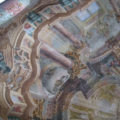
All three villas were richly decorated with paintings on the walls and ceilings, often with clever tromp l’oeil effects, to make ceilings look higher and walls more intricate than they really are. Palazzo Moroni’s decoration includes a series of allegorical paintings illustrating the virtues a noble family should have, as dictated by a local bishop: antiquity, riches, dignity, valor, knowledge, nobility of blood and heart, sanctity, courage, and luck. The Moroni family crest features the mulberry tree, because the family had made its money (and consequently been raised to nobility) growing silkworms for the Italian silk industry.

Palazzo Moroni also houses a well-known painting, The Knight in Pink, by Giovan Battista Moroni. The guide pointed out that the painting includes a Latin tag which translates as: “Better the second than the first.” No one is sure whether this refers to the knight’s wives, or life experiences in general.

A tomb in Casa Palma Camozzi Vertova gave pause for reflection. “This tomb contains a certain de Augustis, buried in the 15th century” explained the guide (as we could also see from the inscription). “No one knows who he was.” So much for carving your name in marble for posterity.

photo at top: courtyard of Palazzo Terzi

gallery of all the photos I took in Bergamo that day