note: I don’t remember when I originally posted this on my site, but it was lost in a transition somewhere along the way, so here it is again
I promised some time ago to tell you about the fabulous flying jeep trick. This occurred in Indonesia, on New Year’s Day, 1982. I was attending the University of California at Santa Cruz, and had gone to Semarang, a city on the eastern tip of Java, to visit my dad and stepmother for Christmas. My flight from Jakarta back to San Francisco was in the morning of January 2nd.
Java is a long island, and Jakarta is near its western coast. There are tons of commuter airline flights between Semarang and Jakarta; getting on one usually involved about as much formality (or reservation) as getting on a bus. We hadn’t known, however, that at New Year’s everyone in Java gets up and goes somewhere else. So the Semarang airport was absolute chaos, every flight was jam-packed, and there was no way I would get on a flight in time to connect to my flight out of Jakarta.
The only solution was to drive, and fast. We borrowed my stepmom’s company jeep and driver, and set off as soon as we could. For the first hours, the driver did the driving. The road was a narrow two-lane, dense with cars and trucks. I was astonished by the fact that there was very little open space along the highway – it was lined with houses for most of its length, as if it were a very long city street.
Sometime around midnight, my dad took over the driving. I sat in the front passenger seat, staring out the windscreen. I had almost fallen asleep when I noticed headlights coming straight toward us, which seemed a bit odd. We were in the correct (left) lane; the oncoming truck was in the same lane. And didn’t look like stopping. It was trying to pass another truck, so the right lane was also occupied. My dad wrenched the wheel hard left. I had a confused sensation of being shaken around like a bean in a can, then felt a huge, dull impact. I sat there for a few minutes, dazed. When I looked out the side window, all I could see was moonlight on water. I couldn’t figure out how we were floating on the lake or whatever it was.
I was even more surprised when a little Javanese man came up to my door, apparently walking on water. He opened the door and urged me to get out. I first had to unwrap my leg from the gearshift. I hesitated to step down, not knowing how deep it was. When I finally did, I sank six inches into mud, and the water came up to my knees. We were in a rice paddy.
The three of us assembled across the road, at a little restaurant which had long since closed for the night. We were all dazed, but unhurt except the driver’s toe that the toolbox had fallen on. We eventually pieced together what had happened. Where my dad had veered off the road was a ditch, then a six foot tall dike, to keep the water in the rice fields. We had careened into the ditch and up the dike, and then flew off the top of the dike into the paddy. We later learned that we had landed so hard, the chassis of the jeep had bent in the middle.
About half an hour later, while we were drinking Cokes and staring into space, another large truck came along and tilted gently into the ditch. Again, no one was hurt. We ambled over to look at the situation. The truck was lying directly on top of our tire tracks. Had he got there first, we would have run into him, and been smashed to flinders.
So there we sat at the restaurant, marvelling at our good fortune, and I still had a flight to catch. It was also foreign tourist season, and if I didn’t get this flight, I wouldn’t be able to get a seat for many days, and would miss classes back at college. Therefore, to the great astonishment of the restaurant owners, we insisted on finding some other form of transport to get us the rest of the way to Jakarta, right away. Someone was found who was willing to use his van as a taxi, and on we went. We drove straight to the airport to check in; I didn’t even change out of the mud-stained jeans I was wearing.
By the time I got on the plane, I hadn’t slept in over 24 hours, and was in a state of confusion and shock. I was seated next to a Canadian family on their way home from an exotic vacation. They probably got a little more exoticism than they bargained for; I was dirty, dishevelled, and babbled at them throughout the flight. And still didn’t sleep.
I flew into the tail of one of the worst storms the San Francisco Bay Area had ever seen. My grandfather and his wife, who lived in Sunnyvale, came to pick me up, complaining about how much trouble it was to drive in this weather. I sat in the back seat with my Aunt Rosie, out on a visit from Texas, and quietly told her how close I’d come to death, while my step-grandma bitched on in the front seat.
The next day I took a shuttle bus over the hill to Santa Cruz. There was severe storm damage all along the way. I got to the university and into my dorm room, only to find that there was no water or electricity. Within six hours, the university decided they couldn’t take care of us til things were in better repair, so we should all go home.


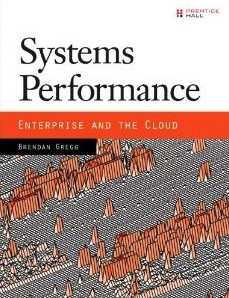
 is now available from Amazon –