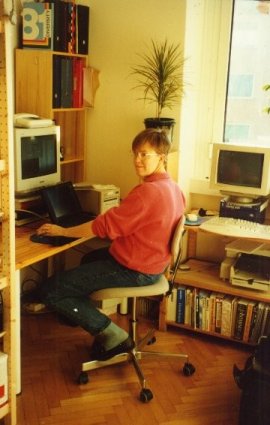
Found an old piece of video that reminded me of some of the fun and challenging things I did at TVBLOB, Fabrizio Caffarelli’s second startup, including:
Software interface and interaction design: Developed feature requests into step-by-step schematics of UI states and behaviors , worked with engineers to ensure correct and coherent implementation, worked with marketing and graphics team on graphic look-and-feel. Edited UI language directly in Java resource files (via Eclipse). Tested and refined usability, general testing.
Customer support process: designed custom web applications and SalesForce materials and processes to integrate with company’s custom back-end systems.
Managed, wrote, edited, and translated technical documentation for TVBLOB’s software and hardware. Provided technical input, copy editing, and translation for marketing and other materials. As part of documentation, I also did instructional videos like the above.
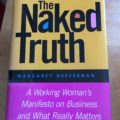
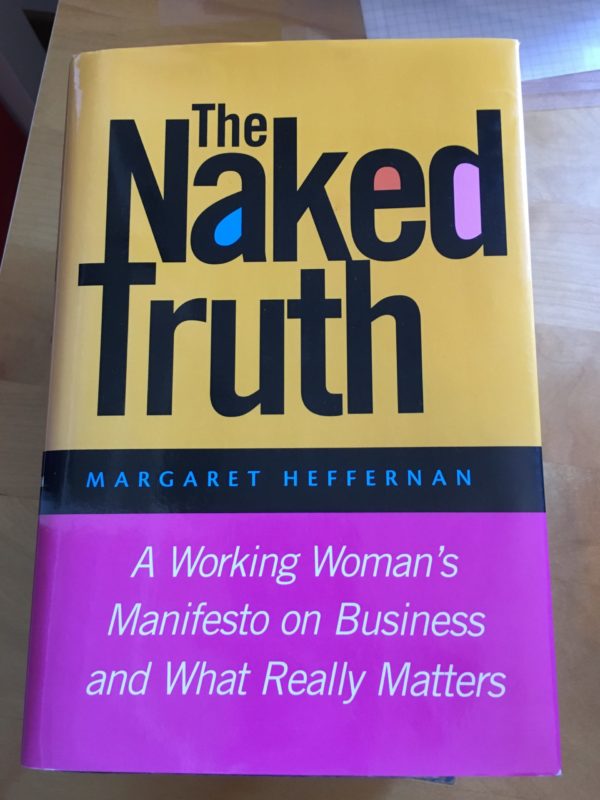
In 2004, I attended a talk by Margaret Heffernan at a business women’s club in Milan. She was launching her then new book, The Naked Truth, and one of the key lessons she shared was that we all should be striving to earn “walk-away money” – the amount of money you’d need to safely walk away from any job or situation, while still being able to support yourself for as long as needed.
“Walk-away money” is the polite phrase; it’s also called “fuck-you money.”
As the primary caregivers of their children, homes, and often their aging parents as well, women benefit greatly from the flexibility that remote work can offer – simply not having to commute every day can be a major timesaver. “Hybrid” working models, where employees are expected to be in an office one to three days a week instead of five, can facilitate this. But that model assumes that you’re still able to live within commuting distance of your office, which is not always the case.
In a heterosexual couple, even if both spouses work, it is typically the woman who bends her career to that of her husband, staying with or following him to where his work is, even if that limits her own job options. This often makes economic sense because he is also the higher earner in the family. But it’s a classic Catch-22: As long as the family is prioritizing his career, she’s not likely to become the higher earner. (It may not help if she does: there was a point in my first marriage when I was earning three times my husband’s salary, but he still refused to move to Silicon Valley so that I could pursue my career. And studies show that, when women earn more than their male partners, domestic strife, violence, and divorce become more prevalent.)
In some ways, I wish I had spent more of my working years in a “normal” office routine. Working intensely side by side every day, with people you like and respect, is a fantastic feeling, and at times I’ve had that and enjoyed it. But other times workplaces went toxic, so that going into the office every day became a torment to be dreaded. I’ve also had working from home situations go bad, and at those times I dreaded getting up to face my computer every day, even if I didn’t have to directly face the people who were making my life hell.
Often, remote work was the best option available to me. When my Italian employer moved most of the company to the US and then sold out to a US company, continuing in that job was the best paid and most interesting work I could have while still living with my family in Milan.
When I attended US schools in the 1970s, the term “bullying” was used to describe extreme cases of recurrent physical abuse of kids, by kids. Verbal abuse, no matter how severe, was identified by the soft term “teasing.”
Most of the adults around us did not see teasing as a problem that they could or should address. Everyone advised victims to reply with the childish chant: “Sticks and stones may break my bones, but words can never hurt me.” We all knew that this was bullshit: words can hurt – a lot – and are often intended to do so. But adults believed that: “It’s all part of growing up; kids have to toughen up and learn to handle it.”