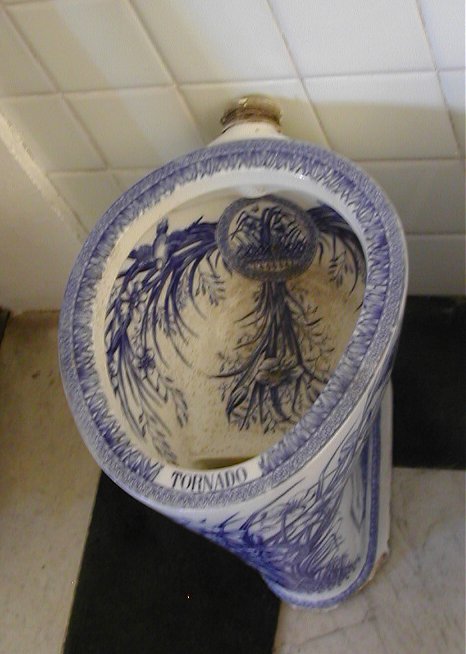
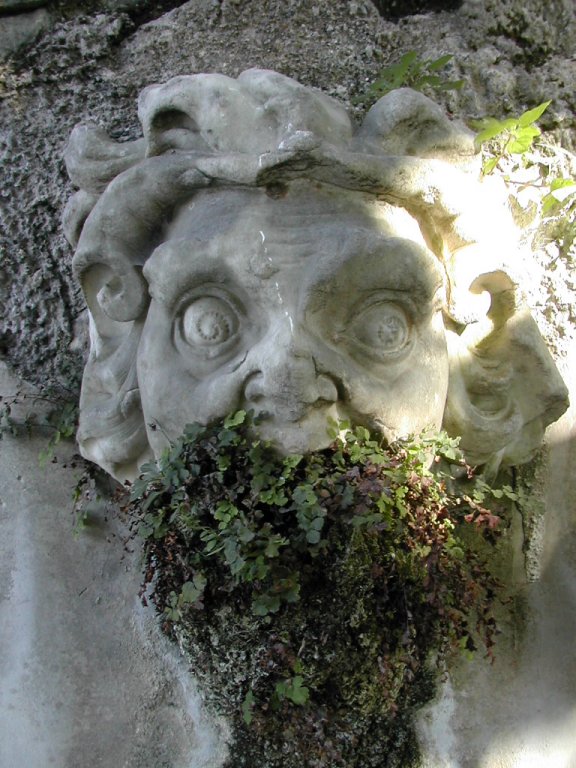
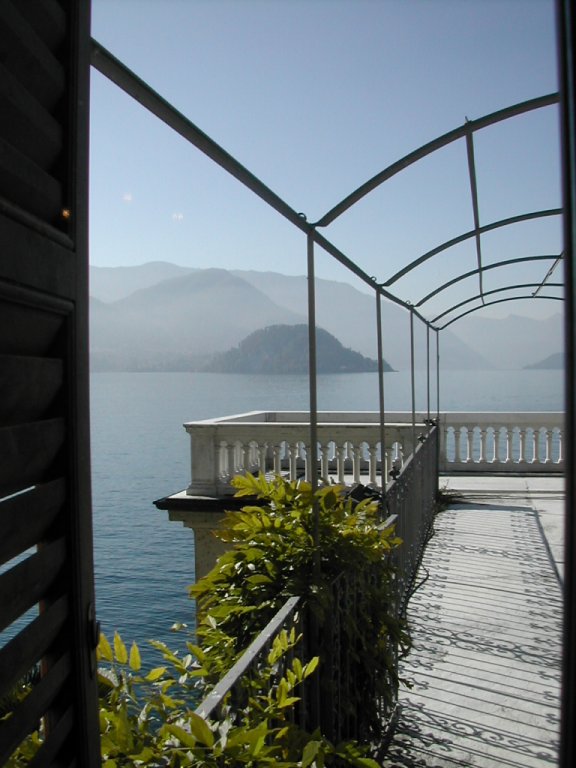
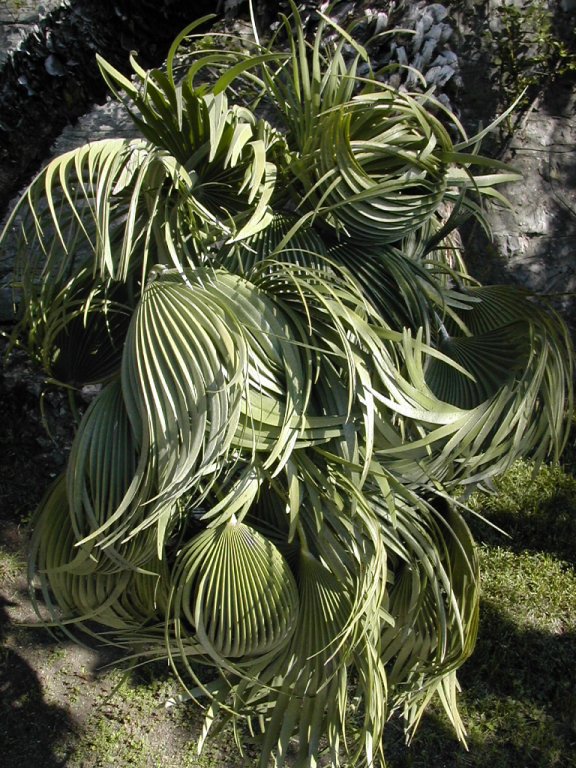
^ top of page: inside the villa: a toilet so elaborate I’d be afraid to use it.

^ top of page: inside the villa: a toilet so elaborate I’d be afraid to use it.
This year’s Corteo Manzoniano featured many of the same actors and costumes as last year, but added a new twist, winding through the streets of Lecco at night, by torchlight.
In this video: Renzo and Lucia, lanzechenecchi, Cardinale Federigo Borromeo, i Promessi Sposi, Lecco, torchlight parade, horses
Sadly, the longer version planned for the next afternoon was rained out. But the evening was a success – they’ll be doing it again next year, and I may be able to get better footage then.
I haven’t been following the Muti-La Scala fight closely, but I do have a bit of inside information. The New York Times said:
“MR. MUTI had reason for optimism. He had just presided over what was widely proclaimed the cultural event of the year in Europe on Dec. 7, the reopening of La Scala after a three-year restoration and renovation. The project had encountered protests from preservationists and the usual construction delays, but the finished house was widely regarded as a masterpiece, with its new stage contraptions functioning smoothly and its venerable décor glistening afresh.”
Uh, yeah, right. The finished house was not finished. The glistening decor had been hastily cleaned of construction dust, dangling wires tucked away, etc., for the big opening-night performance. Stagehands nearly lost limbs operating the new and unfamiliar stage contraptions, but, from the audience’s point of view, everything did run smoothly.
Performances then moved right back to the Teatro degli Arcimboldi, where they have been held since the La Scala restoration began, and will continue to be held until it is truly finished. The grand opening night marking its completion was, appropriately enough, a messinscena (mise en scéne).
In November of 2004 we visited Montorfano, a village near Lake Mergozzo, just north of Lago Maggiore.
It’s famous for the Romanesque church of St. John the Baptist, built in the 11th or 12th century (photos below).
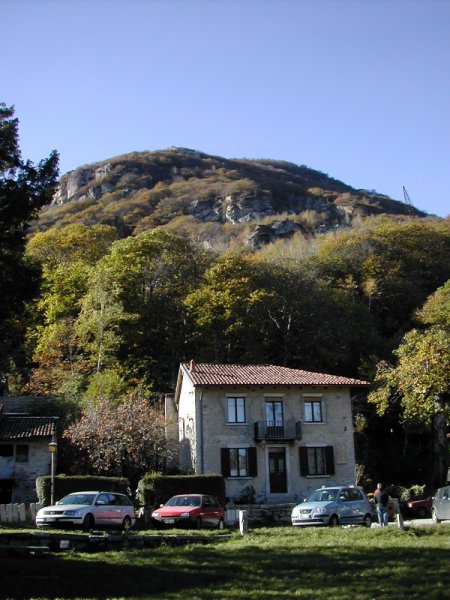
above: This, I suppose, is the “orphaned mount” from which the town gets its name.


^ next to the church, ruins of much earlier buildings, dating from the 5th or 6th and 9th centuries.

an ancient waterway, used in transporting granite from a local quarry.

^ a house in the village with a Peace flag

old stone road

steps up to the restaurant where we ate lunch. These steps were originally build to get granite down from the quarry

same path, on the way back down