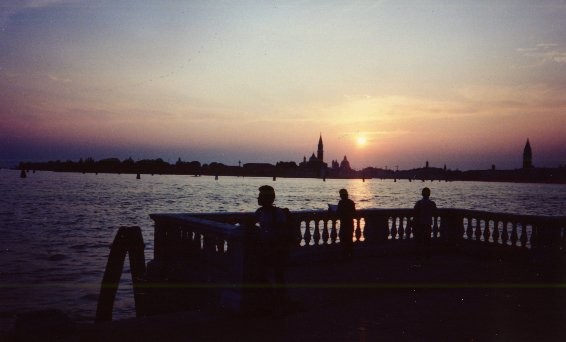
Bellagio, Lake Como’s best-known tourist destination, lies at the tip of the triangle between the two southern branches of the lake. You can get there by road or get there by boat from Menaggio or Varenna.
Personally, I find Bellagio a bit overrated. During the season it’s overrun with tourists, and the shops are accordingly filled with overpriced souvenirs, most of which have nothing to do with the region (okay, I’m a souvenir snob – I only want something that authentically represents the place).
I concede that the views are stunning – but there are views at least equally stunning from other points on the lake.
But I end up in Bellagio a lot whether I want to or not, because our foreign visitors usually want to see it. My favorite way, during the summer, is to take the slow boat from Lecco.
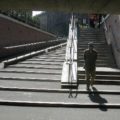
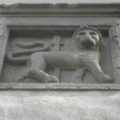
Bellagio’s charm, for me, is in its verticals – everything runs uphill from the lakefront. (Which means that, to really appreciate it, you must be prepared to walk.)Above is a view up Bellagio’s main salita, with the (justly) famous Bilacus restaurant on the right. Below is a shop whose sign I’m fond of – I love the antique typography you can still find on many shop signs in Italy.
Learn Italian in Song: 7000 Caffé
|
written, recorded and copyrighted by Alex Britti Here’s another great by Alex Britti – go out and buy his music! Sadly, his own brilliantly original music video has been removed from YouTube, but here’s a version with another fave of mine, Neri Per Caso. |
||||||
| 7000 caffé, | 7000 coffees | |||||
| li ho gia’ presi percha’© | I’ve already drunk them because | |||||
| sono stanco di stare al volante | I’m tired of being at the wheel | |||||
| e vorrei arrivare entro sera da te | And I would like to arrive [at your home] by this evening | |||||
| che aspetti me nel castello lassu’¹ | Who are waiting for me in the castle up there | |||||
| con la treccia gia’ sciolta | With your braid already undone | |||||
| affacciata al balcone vestita di blu | Looking out from the balcony, dressed in blue | |||||
| 7000 caffé | 7000 coffees | |||||
| é l’effetto che ho | is the effect I have | |||||
| quando arrivo al portone | When I arrive at the entry | |||||
| e ti vedo gridare con gli occhi il mio nome percio’ | And I see you call out my name with your eyes [therefore]* | |||||
| vieni verso di me e io pazzo di te | You come towards me, and me crazy for you, | |||||
| in un attimo ci diamo il bacio piu’dolce, piu’dolce che c’é | in a moment we give each other the sweetest, the sweetest kiss there is | |||||
| Ritornello: | Chorus: | |||||
| Ho bisogno di te perche sei bella e poi | I need you because you’re beautiful, and then | |||||
| Ho bisogno di te come l’acqua il caffé | I need you like [water needs coffee / coffee needs water]** | |||||
| come un mondo che gira e che, amore, se non vuoi, | Like a world that turns and that, love, if you don’t want | |||||
| non finira’ mai | Will never end. | |||||
| Ad esempio lo sai l’altra sera ero a casa | For example, you know, the other evening I was at home | |||||
| cercavo da bere ma il frigo era vuoto | I was looking [for something] to drink but the fridge was empty | |||||
| perché non ho fatto la spesa | Because I didn’t do the [grocery] shopping | |||||
| tu non ci crederai – indovina che c’é | You won’t believe it – guess what? | |||||
| ho trovato una tazza con l’ultimo dei 7000 caffé | I found a cup with the last of the 7000 coffees | |||||
| Ora sto qui da solo e non dormo e non volo | Now I’m here alone and I don’t sleep and I don’t fly | |||||
| mentre tu sei lontana | While you’re far away | |||||
| ripenso a una scena di te senza velo | I think again of a scene of you “without veils” [nude] | |||||
| non so bene cos’é, forse i troppi caffé | I don’t know what it is, maybe too many coffees | |||||
| ma stanotte non riesco a dormire | But tonight I can’t sleep | |||||
| e l’amore lo faccio da me. | And I’ll make love by myself. | |||||
| * This word doesn’t seem to fit here – I suspect he just threw it in to fit the rhyme.** The meaning here is (probably deliberately) ambiguous. | ||||||
|
if you find this useful and want more, let me know!
|
||||||
Learn Italian in Song: I Bambini Fanno Ooh
| |||||
by Giuseppe Povia, 2006 This was a big hit last year. It’s so sweet it made me cry. The video is beautiful, too. Linguistic note: Heavy (and appropriate) use here of the diminutive ending ino, which turns “noun” into “little noun”. This is often used as a form of baby talk when speaking to small children, as if everything in their lives is as little as they are. (I never used baby talk with any kid; I find it condescending, and suspect they do, too.) E.g., topo = mouse, topolino = little mouse (which is also the name used for Mickey Mouse, a popular character in printed comics even today – it’s claimed that Mussolini said that they only thing he regretted about the embargo on US goods during WWII was that he could no longer see Topolino). | |||||
| Quando i bambini fanno “oh” c’è un topolino | When the children say “Oh, there’s a little mouse” | ||||
| Mentre i bambini fanno “oh” c’è un cagnolino | While the children say “Oh, there’s a little dog” | ||||
| Se c’è una cosa che ora so’ | If there’s one thing I know now | ||||
| ma che mai più io rivedrò | But that I’ll never see again | ||||
| è un lupo nero che da un bacino | It’s a black wolf giving a little kiss | ||||
| a un agnellino | To a little lamb | ||||
| Tutti i bambini fanno “oh” | All the children say “Oh, | ||||
| dammi la mano | give me your hand. | ||||
| perchè mi lasci solo, | Why do you leave me (all) alone? | ||||
| sai che da soli non si può, | You know that alone you can’t | ||||
| senza qualcuno, | Without someone | ||||
| nessuno | no one | ||||
| può diventare un uomo | can become a man. | ||||
| Per una bambola o un robot bot bot | For a doll or a robot-bot-bot | ||||
| magari litigano un po’ | Perhaps they fight a bit. | ||||
| ma col ditino ad alta voce, | But with their little finger, aloud | ||||
| almeno loro (eh) | At least they | ||||
| fanno la pace | Make peace. | ||||
| Così ogni cosa è nuova | In this way everything is new | ||||
| è una sorpresa | It’s a surprise | ||||
| e proprio quando piove | And just when it rains | ||||
| i bambini fanno “oh” | The children say “Oh! | ||||
| guarda la pioggia | Look at the rain!” | ||||
| Quando i bambini fanno “oh” | When the children say “Oh, | ||||
| che meraviglia, che meraviglia! | What a marvel! | ||||
| ma che scemo vedi però, però | But what an idiot, however, | ||||
| che mi vergogno un po’ | That I feel a bit ashamed | ||||
| perchè non so più fare “oh” | Because I no longer know how to say “Oh” | ||||
| e fare tutto come mi piglia, | And do everything as it takes me [just as I feel like] | ||||
| perchè i bambini non hanno peli | Because the children don’t have hairs | ||||
| ne sulla pancia | On their stomachs | ||||
| ne sulla lingua | Nor on their tongues | ||||
| I bambini sono molto indiscreti | Children are very indiscreet | ||||
| ma hanno tanti segreti | But they have many secrets | ||||
| come i poeti | Like the poets. | ||||
| nei bambini vola la fantasia e anche qualche bugia | In children, imagination flies, along with some lies | ||||
| oh mamma mia, bada! | Oh, mamma mia, pay attention! [look out] | ||||
| ma ogni cosa è chiara e trasparente | But everything is clear and transparent | ||||
| che quando un grande piange | so that when an adult cries | ||||
| i bambini fanno “oh” | The children say “Oh, | ||||
| ti sei fatto la bua | You hurt yourself [got a boo-boo] | ||||
| è colpa tua | It’s your fault. | ||||
| Quando i bambini fanno “oh” | When the children say “Oh, | ||||
| che meraviglia, che meraviglia! | What a marvel! | ||||
| ma che scemo vedi però, però | But what an idiot, however, | ||||
| che mi vergogno un po’ | That I feel a bit ashamed | ||||
| perchè non so più fare “oh” | Because I no longer know how to say “Oh” | ||||
| non so più andare sull’altalena | I no longer know how to go on a swing | ||||
| di un fil di lana non so più fare una collana | I no longer know how to make a necklace out of a piece of yarn | ||||
| finchè i cretini fanno(eh) | As long as the cretins say “eh” | ||||
| finchè i cretini fanno(ah) | As long as the cretins say “ah” | ||||
| finchè i cretini fanno “boh” | As long as the cretins say boh | ||||
| tutto il resto è uguale | All the rest is the same | ||||
| ma se i bambini fanno “oh” | But if the children say “Oh, | ||||
| basta la vocale | The vowel is enough. | ||||
| Io mi vergogno un po’ | I feel a bit ashamed | ||||
| invece i grandi fanno “no” | Instead the adults say “No” | ||||
| io chiedo asilo, io chiedo asilo | I ask asylum… | ||||
| come i leoni | Like the lions | ||||
| io voglio andare a gattoni… | I want to go like big cats [on all fours]. | ||||
| e ognuno è perfetto | And every one is perfect | ||||
| uguale è il colore | The color is the same | ||||
| evviva i pazzi che hanno capito cos’è l’amore | Hurray for the crazies who have understood what love is | ||||
| è tutto un fumetto di strane parole | It’s all a comic book with strange words | ||||
| che io non ho letto | That I haven’t read | ||||
| voglio tornare a fare “oh” | I want to go back to saying “Oh” | ||||
| voglio tornare a fare “oh” | |||||
| perchè i bambini non hanno peli ne sulla pancia | |||||
| ne sulla lingua… | |||||
|
if you find this useful and want more, let me know
| |||||
Il Muro di Sormano: Where Bicycle Racers Hit THE WALL
On a sunny Sunday in January, we drove up to the triangolo Lariano – the peninsula jutting into y-shaped Lake Como, whose tip is Bellagio. It’s an area famous in Italian bike racing history (there’s even a church dedicated to cycling, with relics of famous racers – including their bikes) As we drove, part of the road was stencilled with Muro di Sormano, over and over again. We had never heard of this, and thought it must refer to some ancient ruin of a Roman or medieval wall.
After lunch at the top of the hill in Colma, we noticed a tourism signpost for “Muro di Sormano – 2 km” with an estimated walking time of two hours. This seemed like a lot of time to cover two kilometers. So we started walking down the very steep slope of a newly-paved road, which was painted with altitude markers and stencils of local plants, and viewing spots where you could look out and identify the mountain peaks all around. More mysterious were the large quotations from Italian cyclists, painted on the ground so as to be read from the bottom up.
We ran into a local couple who were happy to tell us all about it. I love hearing stories from people like this, who have been in a place forever and known every inch of it for decades. Myself, I have a breadth of knowledge about many parts of the world, but I will never have the depth of knowledge that comes with being deeply, permanently rooted in your native soil. I’m not sure I would trade, but I do enjoy seeing the other side.
As they explained, the “wall” of Sormano is the road itself. It used to be part of the Giro di Lombardia (and maybe the Giro d’Italia). Because of its steep grade, the cyclists perceived it as a wall. Which doesn’t appear to have stopped them – in one part of the video you can see what are apparently the record times for covering this damn-near-vertical distance.
barCamp Roma: January, 2007
The full gallery of photos from my attendance at barCamp in Rome.