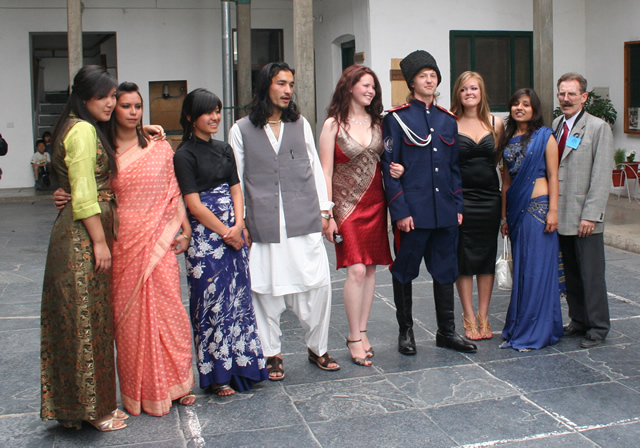
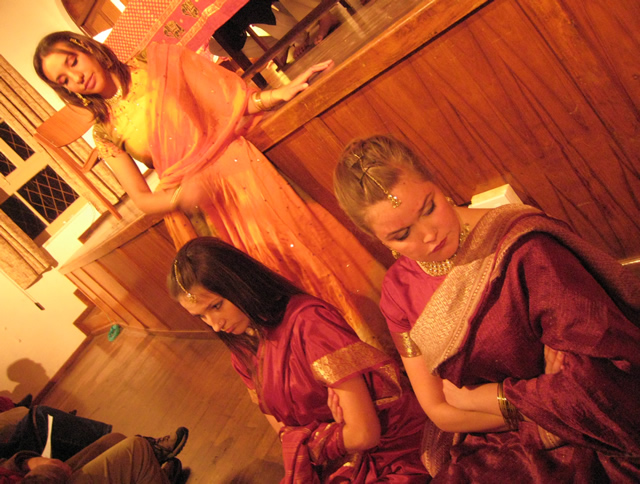
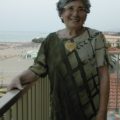
The Baccalaureate ceremony of my daughter Rossella’s graduating class. The students wear their national/regional costumes for this event. Ross, logically, wore Italian couture. Yes, one of her classmates is actually a Cossack (I think the uniform was his father’s), who has since attended the London School of Economics. Others in the class are from Afghanistan, Bhutan, Nepal, Bangladesh, various parts of India (including Nagaland), Korea, Finland, US, Japan (they arrived late, it took so long to get into their traditional dress!).
Tag Archives: India

2007 in Review
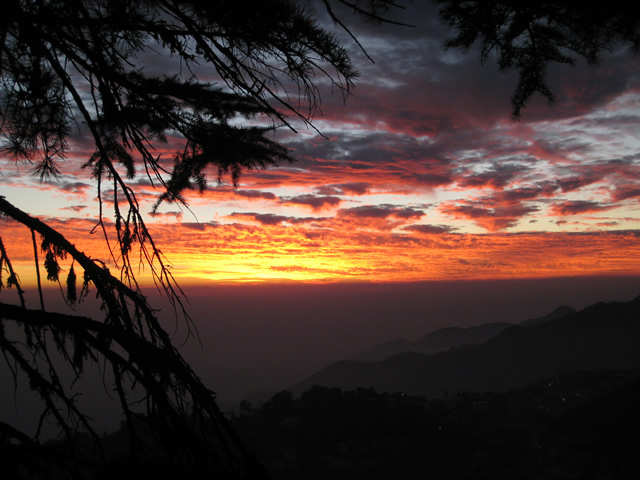
above: another gorgeous winterline sunset, Mussoorie, December 2007
The past year was so busy that, in spite of the many articles, photos, and videos I published here, there are still travels and events that I haven’t even mentioned, video and photos you haven’t yet seen. 2008 is shaping up to be even busier so, in case I never get to those, I thought I’d do a quick gallop through 2007 and at least hint at some of the stuff you missed.
The first half of 2007 was mostly awful. But, somewhere around August, things changed drastically for the better, and I began to think of having a T-shirt made saying: “Life doesn’t suck.”
January
6: As a Christmas present from my dad, Ross and I, along with some of the British side of our family, saw Spamalot in London, the very last night that Tim Curry was in the cast. Fantastic! We also had our portraits taken.
14: Enrico and I took a day trip to Sormano and other points on the Lake Como peninsula above Bellagio
19-21: In Rome for my first (but not last) barCamp.
February
Ross and I were busy completing her application to Woodstock School, due March 1st. Much anxiety around this whole process, not least: wondering how I would pay for tuition.
14-19: I visited my dad in the UK again. I don’t remember now if this was because he had been in the hospital again or what.
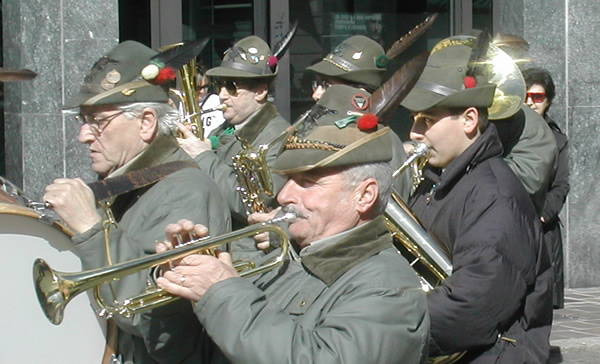
^ Alpini in Lecco, March 2007
March
7: Attended the Cisco Expo in Milan.
20: Began working for Sun Microsystems, as a part-time contractor. First trip to Broomfield, Colorado, returning on the 28th, just in time for:
30: First Girl Geeks Dinner Italia
31: rItalia Camp
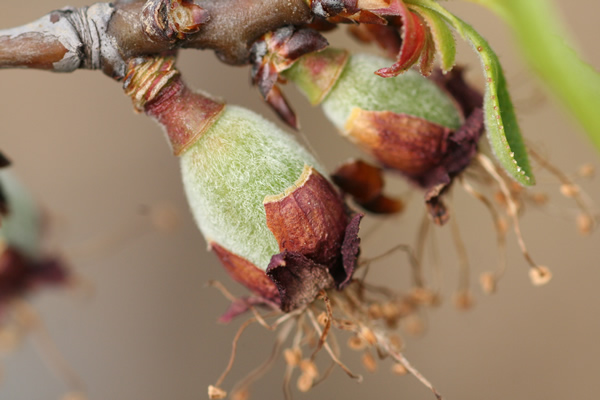
Infant apricots on the young tree in our garden. late March, 2007
April
Worked on my garden, held down two jobs, Ross got accepted to Woodstock (and now I knew that I could pay for it).
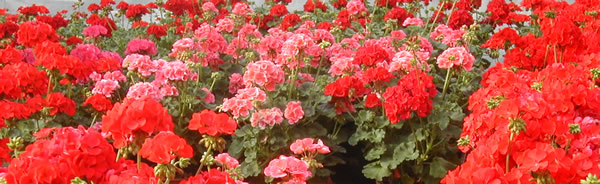
hothouse geraniums, Apr 15, 2007
22: Visited Milan Design Week with Ringae Nuek. (No, that’s not her in the picture.)
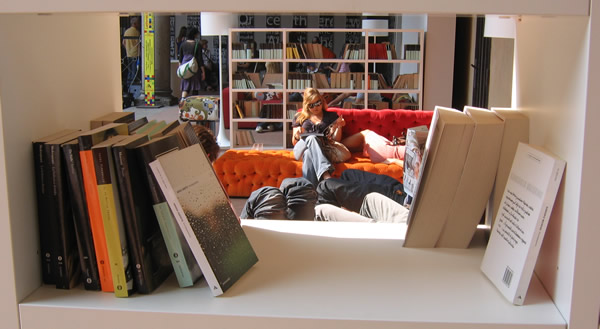
this was taken in the courtyard of Castello Sforzesco
28: Enrico and I went to the Castello di Vezio, near home on Lake Como.
May
15: Flew to Colorado for Sun again. Visited my classmate Tin Tin in her fly genetics lab. Returned to Italy just in time for:
26: FemCamp
June
Continued preparations for Ross to go to Woodstock, including getting her student visa for India.
17: Had lunch with Pamela, a Woodstock alumna, and her Swiss-Italian husband Tino at their holiday home on Lake Como.
21-25: Visited England while my dad was having knee surgery again.
Towards the end of the month, a doctor saw something she didn’t like on my mammogram, which began a period of torture and extreme anxiety. Around the same time, my mother was having an ovarian cyst the size of a grapefruit removed. Which, thankfully, turned out to be benign.
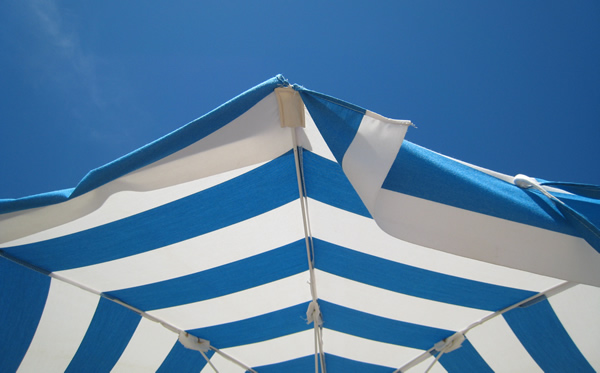
at the beach – July 6, 2007
July
5-8: We drove down to Roseto degli Abruzzi for my mother-in-law’s 80th birthday, stopping along the way at an excellent restaurant near Modena.
11: Finally got the word on my biopsy: no cancer. The next evening, to celebrate, we had expensive cocktails with friends before we all went to see Harry Potter and the Order of the Phoenix together (in English) in Milan.
14: Had a visit from Peter and Peggy Jenks, former Woodstock staff.
21: I (and a bunch of other people) won a dinner at one of Italy’s finest restaurants, Symposium, in Le Marche, sponsored by San-Lorenzo.com. Spent the night in the nearby town of Cartoceto, which Susan and I toured the next day in intense heat.
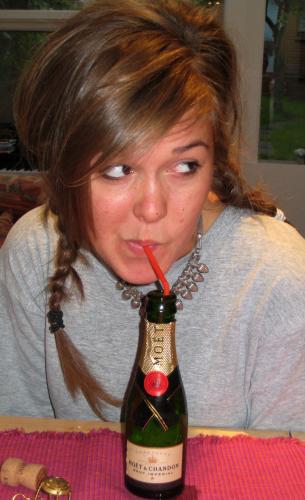
28: Ross and I flew to London with her 46 kilos of luggage, to spend a few days with my dad and Ruth, and pre-celebrate Ross’ 18th birthday:
August
1: Ross flew out from Heathrow. Her departure did not go smoothly. But she got there safely and was happily launched on her great India adventure.
3: I flew to Colorado to spend my vacation (from TVBLOB) working for Sun, staying with Tin Tin again.
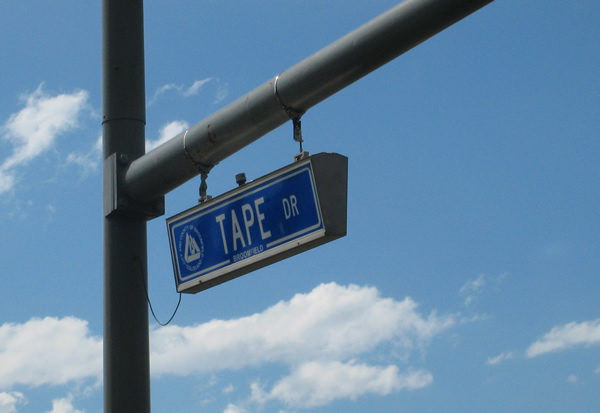
when geeks do urban planning – Broomfield, CO – Aug 2007
11: Ross turned 18 at Woodstock. By this time we were getting regular phone calls from her and knew that she was doing well and very happy. This was worth all the upheavals it had taken to get her there.
12: Tin Tin and I went hiking in the Rocky Mountain National Forest.
17: Flew to New Mexico to visit Woodstock friends Steve and Sharon.
18: Sharon and I visited Santa Fe, including the Crafts Museum.
31: College friend Steph came to visit from Tulsa; we drove down to Taos by way of the Garden of the Gods.
September
2: Back to Broomfield.
5: Flew to San Francisco and saw many old Bay Area friends, and a few Woodstockers, before going down to San Jose, where I filmed many Sun speakers at the Storage Networking Industry Association’s Software Developer Conference (SNIA SDC).
15: Participated in a fun fundraiser in San Francisco.
17: Flew back to the UK and spent a couple of days with Dad and Ruth.
20: Flew back to Milan. By this time, I had parted ways with TVBLOB, and only had one job to do, to my considerable relief.
We had house guests as soon as I arrived: my Woodstock classmate Sara Ahmed, and long-time family friends Leslie and Nathan. While they were all with us, we visited the beautiful old abbey at Piona, towards the northern end of Lake Como.
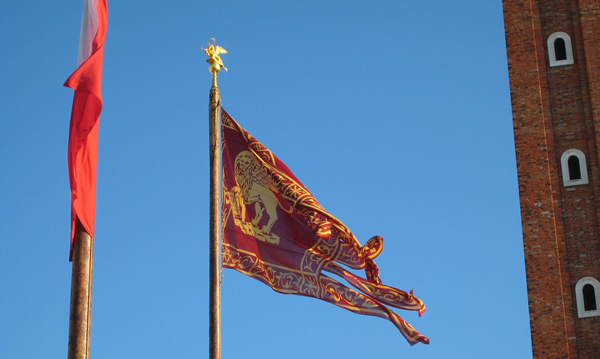
28: Enrico and I began to enjoy the advantages of the empty nest. On a sudden invitation, we took off and spent a weekend inVenice:
October
6: Wine-tasting in Valtellina.
19-21: Hosted Web Women Weekend at our home in Lecco.
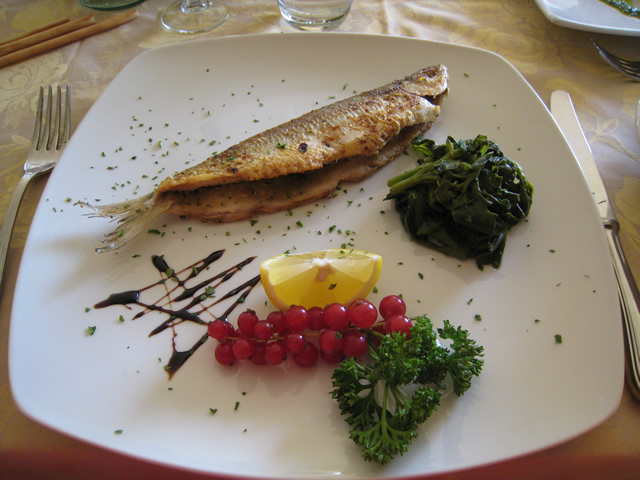
27: Enrico and I took another day trip on the lake, eating at Beccaccino (justly famous for its fish) in Sorico.
November
3: Enrico and I went to Lugano for eTourCamp, on the way taking the ferry across the lake:
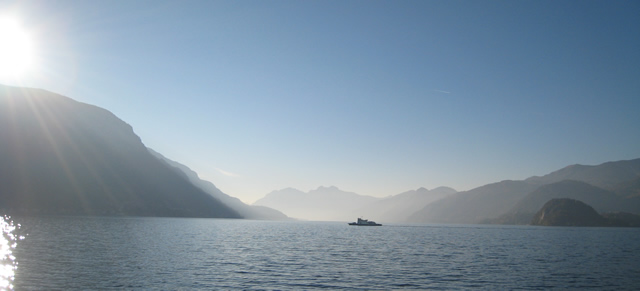
Lake Como, Nov 2007
10: My travel arrangements for India all set, we had our traditional fall dinner party a bit early.
14: Left Milan for Delhi. Arrived the same night, slept in a hotel for a few hours.
15: Took the Shatabdi Express to Dehra Dun and a taxi to Mussoorie. Wandered around the school looking for my kid til I finally met up with her on the ramp. She hugged me tight and whispered: “We’re so weird.”
16: Filmed Ross et al in a Bollywood version of “The Taming of the Shrew” – she played Bianca.
19: Pondered my past as a technical writer and my future as… what?

^ Ross and cat, Mussoorie
28: I turned 45.
Wrote, photographed, and filmed lots more stuff about Woodstock, spent intense times with many old and new friends, all the while working remotely for Sun.
December

14: Ross and I, alongside a school party of 200 kids plus chaperones, went down to Delhi at the start of our winter vacation.
16-18: In Delhi: shopping, eating, running around, seeing friends.

^Â I have not tried dragan (dragon?) fruit yet – never heard of it before. Note the strawberries, cherries, and plums – none of these were available in India a few years ago.
19: We flew to Mumbai, where we spent another intense period shopping for a sari, seeing many old friends (mine), and meeting movie stars. And I bought art:
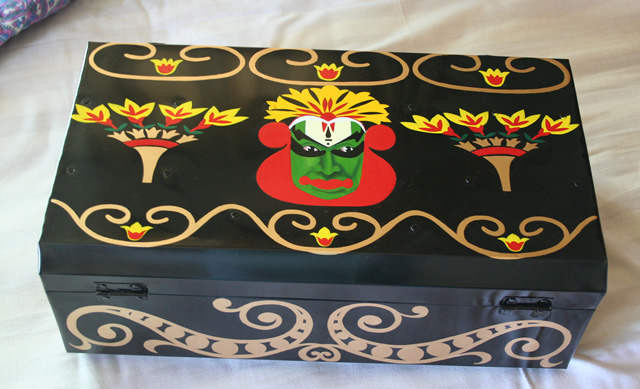
^ a piece by artist Rashmi Dogra – a tin valise, with a Kathakali dancer’s face – this was my Christmas present for me!

29: Ross flew to Goa, I flew to Delhi.
30: More shopping in Delhi.
31: Arrived in Milan, Enrico picked me up at the airport. After a few hours at home to rest and unpack, we drove up to a place in the mountains where friends were staying, to celebrate New Year’s with them. I made it through dinner, but slept through the traditional midnight feast of lentils – and slept through 25 people partying in the room next door, and fireworks going off in the street outsidehttps://www.beginningwithi.com.
And I think that’s about enough for one year!
More Things to Buy in India – The Growth of a Consumer Society
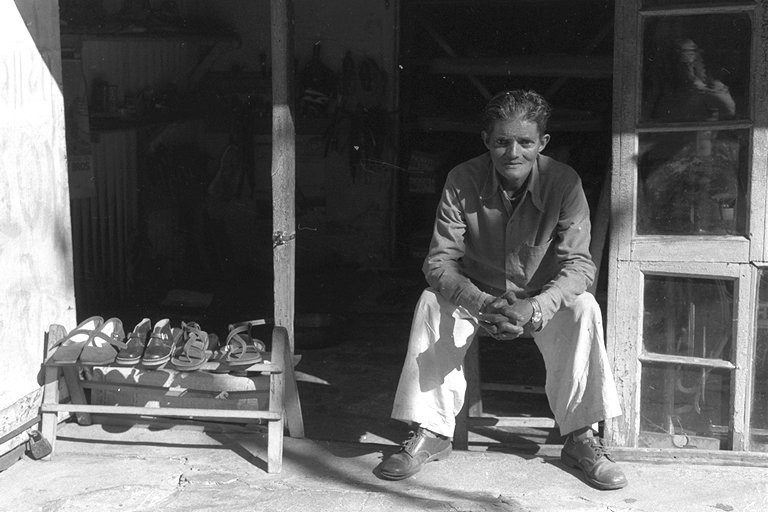
^ Buduram the mochi (shoemaker), Landour, Mussoorie, 1980
When I first went to India in 1977, there wasn’t a lot to buy anywhere in the country. The basics – food, clothing, shelter, transport – were all available, but the consumer goods industry was severely undeveloped, thanks to a government attitude of “Be Indian, Buy Indian”, enforced by high import tariffs and strict foreign exchange controls.
You bought food (and many other staples) at street stalls or open-air markets, or from vendors who came to your door with baskets on their heads – there was no such thing as a supermarket, and very little packaged food. Milk, for example, you got from a local dairyman who brought it to your door, fresh from the cow that morning, in a tin container with a measuring cup. (In cities there were dairy cooperatives which aggregated the output of many small dairy farmers.) You had to pasteurize the milk yourself by boiling.
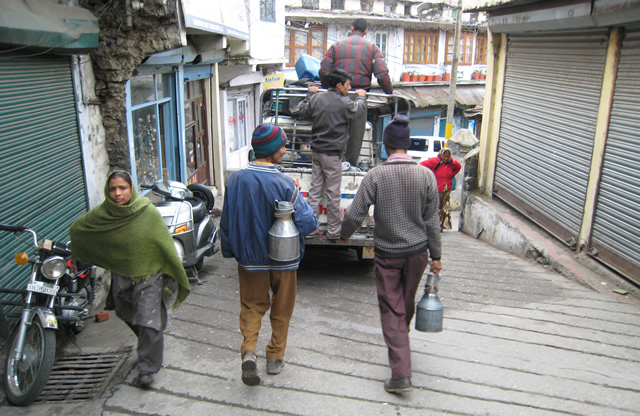
^ milk delivery in Mussoorie, 2007 – not much has changed
The variety and quality of foods was limited, especially in smaller towns like Mussoorie.
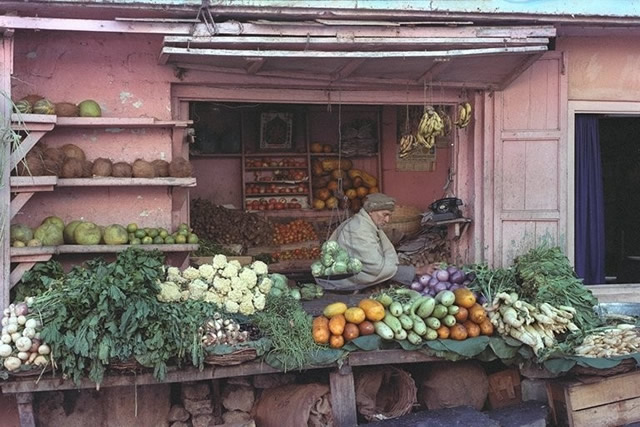
^ subziwallah (vegetable seller), Mussoorie, ~1981
Shops, even in Connaught Place (then Delhi’s poshest shopping area), were mostly dim and frowsy. Once you had exhausted your need or desire for gorgeous hand-woven textiles and other handcrafted items (of which the Indian middle-class consumer already had quite enough, thank you – these things look far more exotic when you don’t live there), there simply wasn’t a lot on the shelves. The branded goods available were few and poorly packaged, nothing like the overwhelming slickness and variety available in the US.
The first time a modern American car showed up in Mussoorie (driven by a US embassy employee) in 1981, children ran up to look at themselves in the mirror-like surface. The two models of car then available in India did not come with glossy paint.
Times Have Changed
On my recent visit to Mussoorie (which is still, in many ways, a dusty little town), I was astonished to see this:

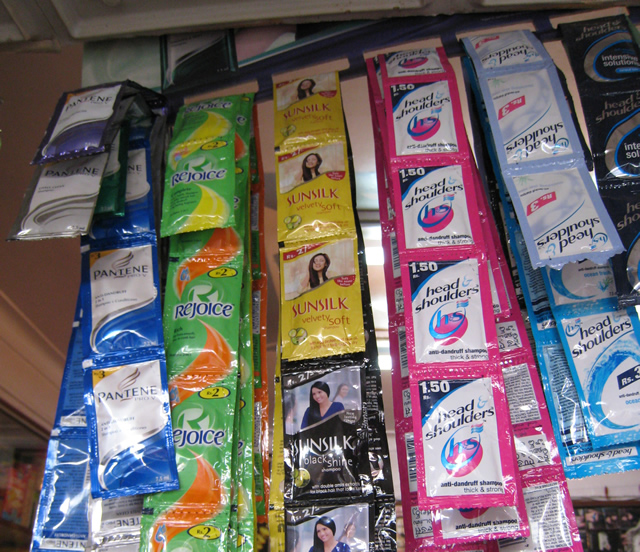
It’s a retail store for Himalaya Herbals, a line of skin, hair, and personal care products and herbal medicines – very good ones, at prices which are, by my standards, quite reasonable. But Rs. 150 for a bottle of shampoo can be expensive for millions of India’s buyers – they have more money than they’ve ever had before, but still far less than you and I. Companies operating in India have adapted cleverly to this market, for example offering single-use packages at Rs. 1.50:
Food is available in far greater quantity and variety than ever before:
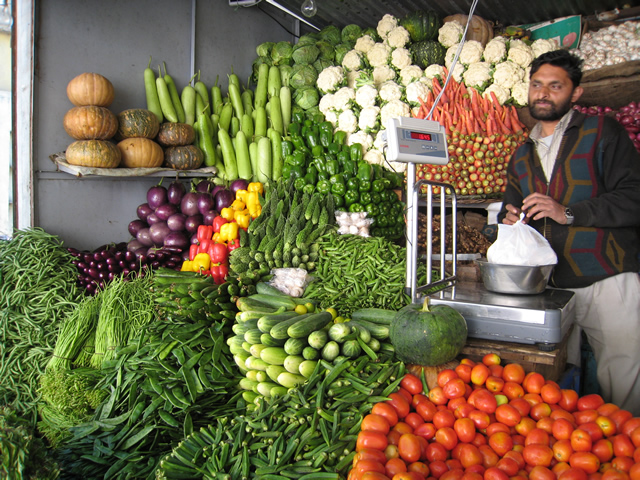
^ subziwallah, Mussoorie, 2007
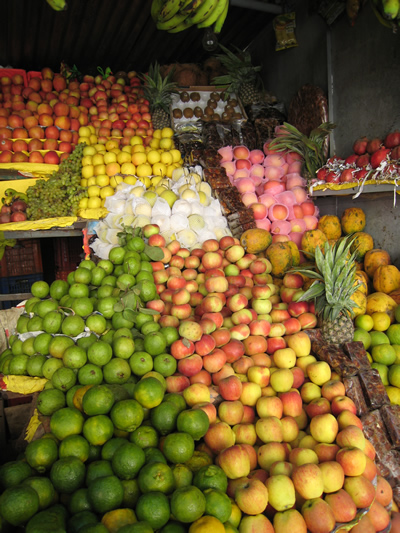
What’s remarkable in the photo above are the fruits which were not even grown in India in the 1970’s: plums, grapes, apples, pears… I’ve also seen strawberries, nectarines, and out of season mangoes transported from south India to north. India is growing olives and wine grapes, and producing some decent wines (I like Sula‘s rosé).
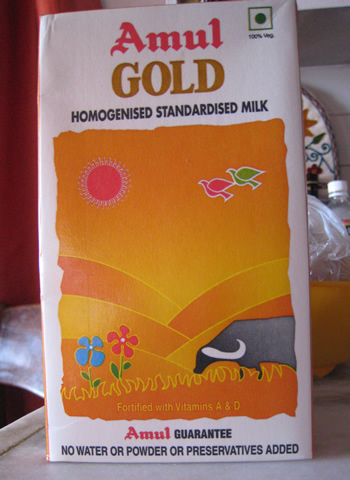
Though you can still get it from a local milkman, milk can also be bought in shops in tetrapak cartons, UHT-treated for a long shelf life. Amul Dairy was already a national company when I was in school, but in Mussoorie we knew it for butter, cheese, and chocolate, not milk. Note the water buffalo on the carton. Indians prefer the flavor of buffalo milk, which has a higher fat content than cow milk. (In Italy, mozzarella di bufala is considered the best for the same reason.)
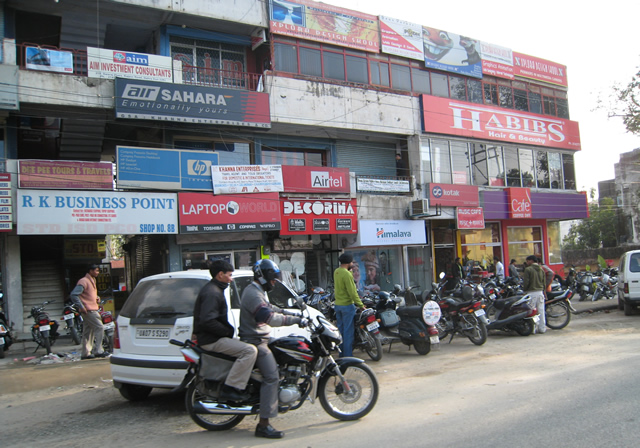
There are national chains now: in the above photo, taken in Dehra Dun (the capital of Uttarakhand), you can see Habib’s (beauty salon), Himalaya Herbals again, and Café Coffee Day, one of at least three coffee chains in India today. Barista was bought last year by Italy’s Lavazza coffee company. There are supposed to be a few Starbuck’s outlets in India, but I never saw them. I did see Costa Coffee, another international café chain, in Delhi and Mumbai.
And there are shopping malls and supermarkets (this is in Dehra Dun):
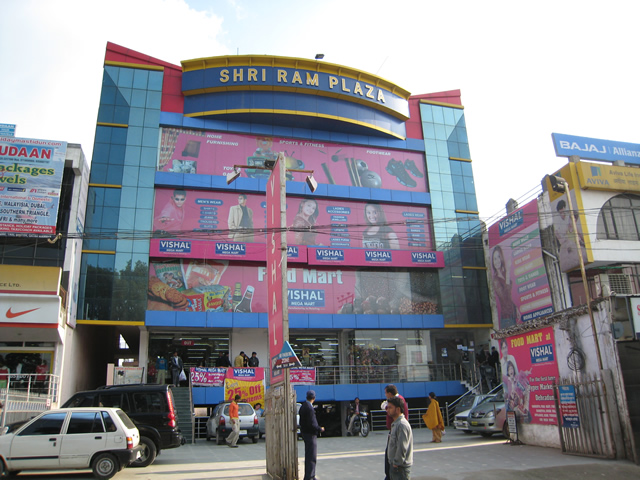
In India’s large and mid-sized cities, you can buy many of the same brands (even at the same prices) that you’d find in any world capital, as well as attractive and well-made Indian brands. On the other hand, low-cost and hand-made goods are still easily available – the shoemakers in Mussoorie still make great shoes, and nowadays have more outside influences to inspire them:
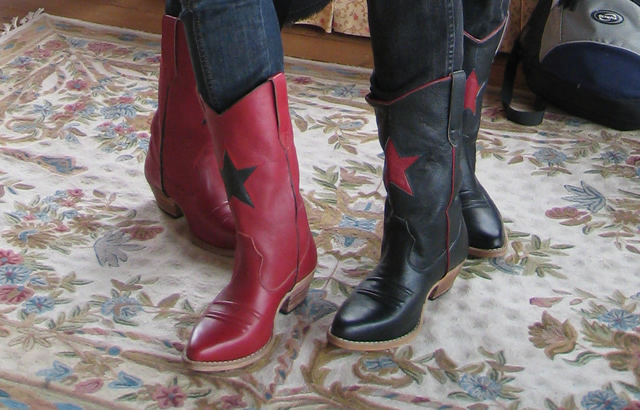
^ mother-daughter cowboy boots, handmade in Mussoorie
As I keep saying: now is an interesting time to be in India…
You might also like:

Decorating in Italy – Asian Style: Adding Some Eastern Touches to Our Lake Como Home
When we moved to Lecco, we consolidated the contents of our household from Milan with Enrico’s parents’ stuff from their apartment in Rome (they were by then retired to a much smaller place on the seaside in Abruzzo).
In this way we acquired some beautiful furniture, fixtures, knick-knacks, and paintings – all lovely stuff, but… it wasn’t mine, and didn’t reflect anything about my life, nor even our life together.
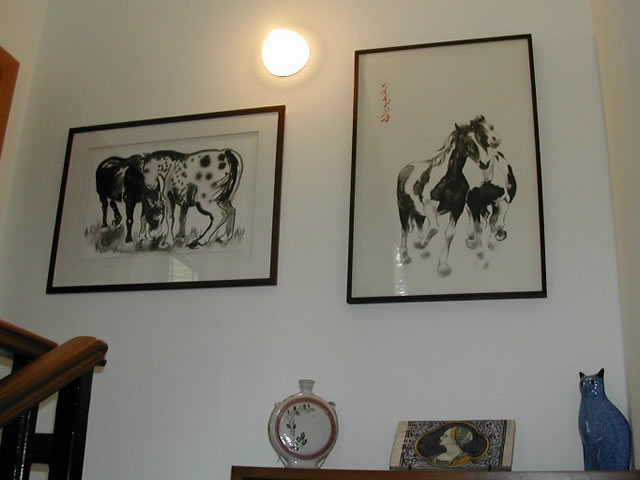
I did have a few items to contribute, such as these paintings – the one on the left my mother commissioned for Rossella from Iowa artist Killy Beard, the one on the right Mom had done for me by a Thai artist many years before that.
Our ground-floor half bath also displays some of my Asian history (along with our collection of humor books, for those who like to read while enthroned).
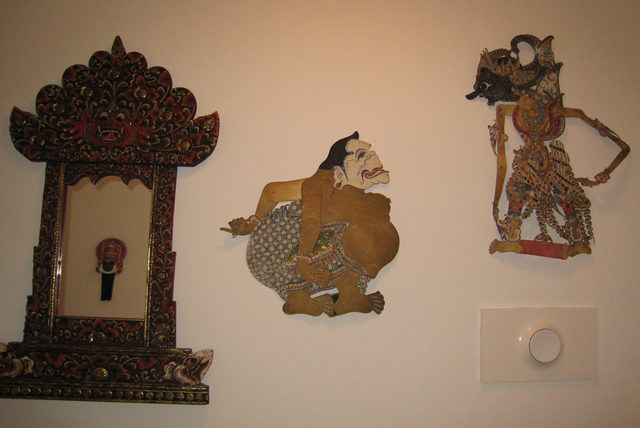
There’s a Balinese mirror frame (from my stepmother, Ruth) and two Javanese shadow puppets (Samar, the dwarf protector of the city of Semarang, and Arjuna). Reflected in the mirror is a Kathakali dance mask I bought in India in 1980.
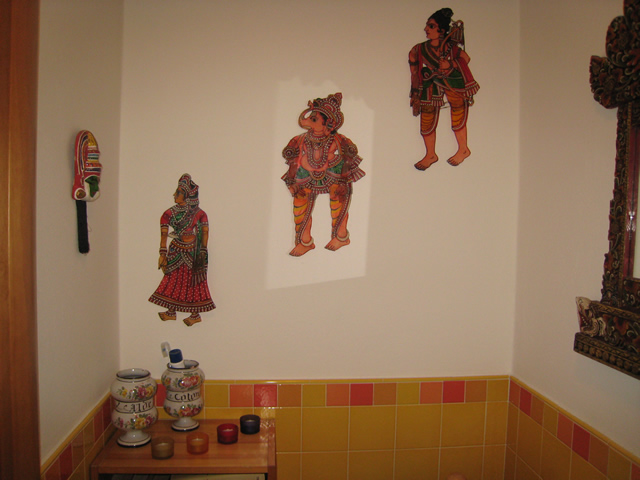
^ During my recent trip to India, at Dilli Haat I bought some leather shadow puppets, if I remember correctly they come from the central Indian state of Madhya Pradesh. The figures are (left to right) probably Sita, definitely Ganesh (who else?) and probably Lakshman.
But my favorite is this guy:
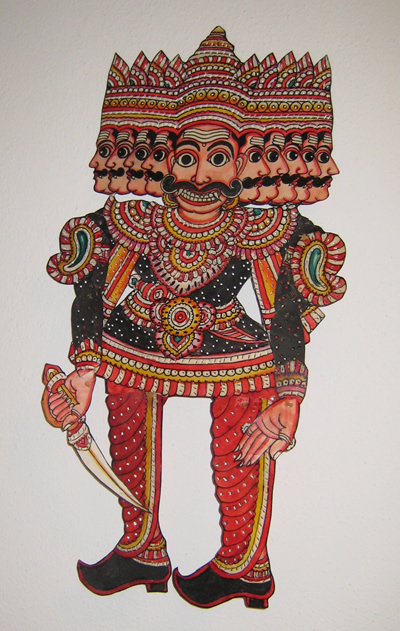
Ravana: there were several versions of him, but I couldn’t resist the shit-eatin’ grin on this one.
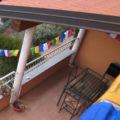
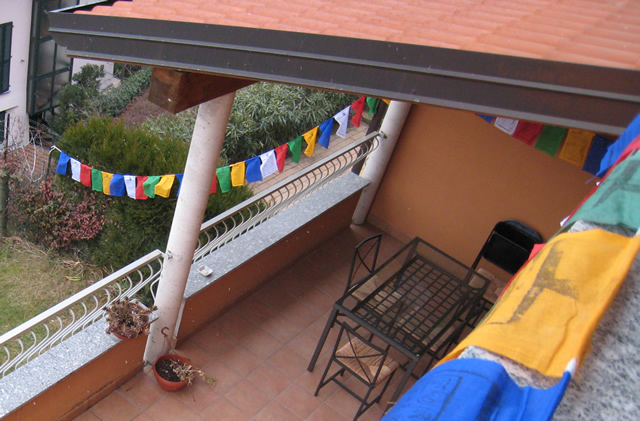
Finally, as you can see in the photo at the top of the page, I have hung outside a long string of Tibetan prayer flags that my classmate Teeran gave me for my birthday this year. I probably failed to observe the auspicious time and style for hanging them, but at least we are in the mountains!
post script: I later returned to Italy after a trip to the US (or maybe after I’d moved back to the US) to find that Enrico had taken down the prayer flags. “The neighbors asked about them,” he said, “wondering if we were having a party.” Sigh.
You might also like:
The Crafts Museum in Delhi
Sunday, my last day in India, I hired a car to go into central Delhi, where I visited the Crafts Museum (on the advice of friend and commenter Alice). The collection is very interesting, some of it so beautiful and well made that I had to wonder where one draws the line between “handicrafts” and “fine art.” Explanations were of variable quality – some very enlightening, others non-existent. Poor lighting made it hard to really appreciate some of this fine work, sadly, especially the textiles – and I do love textiles, though I was already overwhelmed by many days of shopping for saris.
When you finish with the museum part, there’s a small courtyard surrounded by booths selling more crafts, some quite good, and the usual dance troupe – seems to be the same family, and certainly the same style, as employed at Dilli Haat.
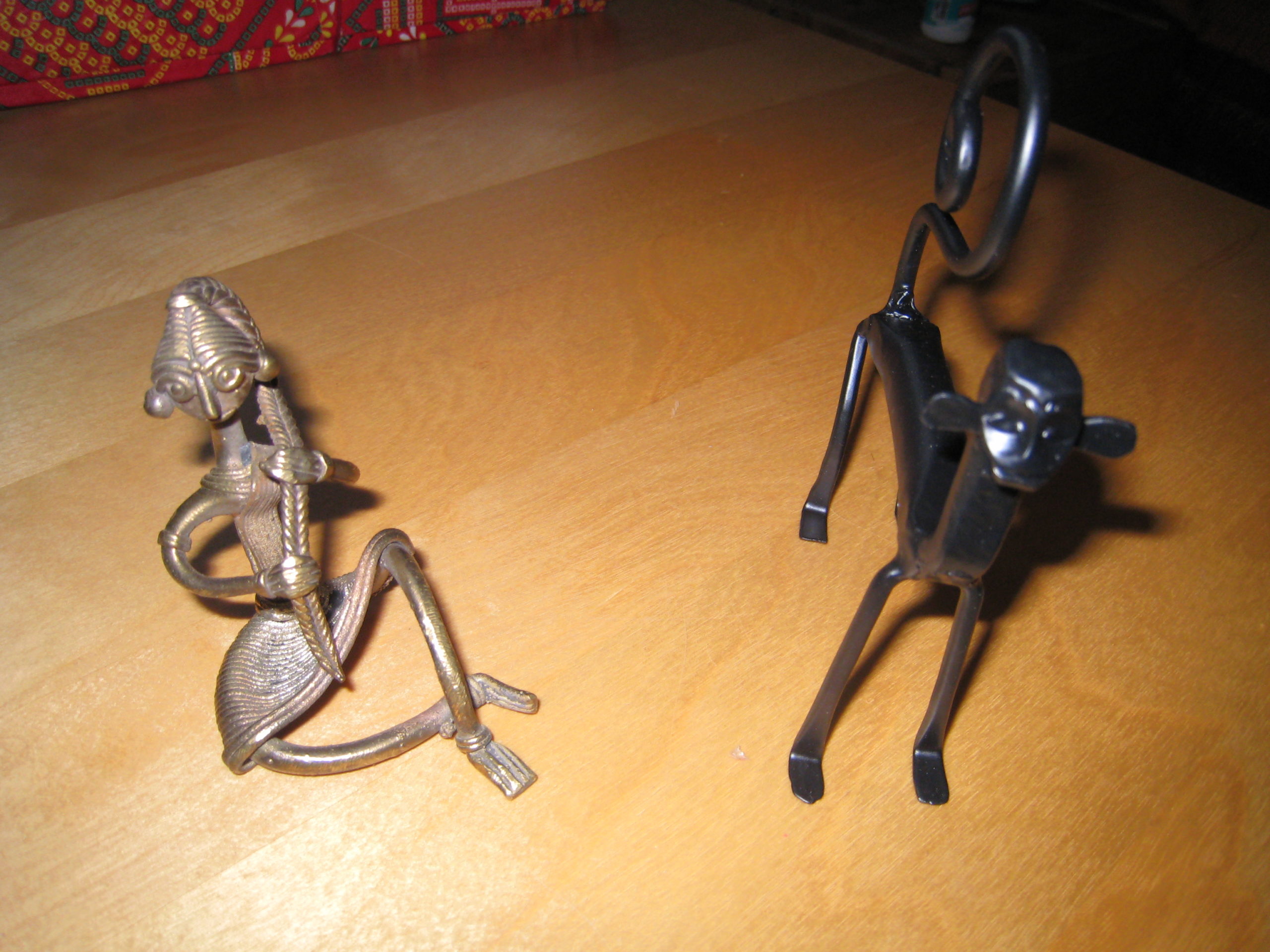
There is also a museum shop, featuring a clutter of stuff from all over India that you might not easily find elsewhere. I loved the wrought-iron works by tribals from Madhya Pradesh (which I recognized thanks to a placard I had seen in the museum – the shop is devoid of explanation). These pieces feature delicate dancers in a style reminiscent of Native America’s Kokopeli. Human and animal figures are arrayed to form window gratings and other objects unfortunately too large and heavy to take home this trip. Someday. I did buy a little monkey, and another statuette whose provenance I know nothing about (pictured above).
I also bought a collection of plaster figurines from Bengal. I’ve seen these for years at the Central Cottage Industries Emporium in Delhi – and much better ones years ago in Calcutta – but always wondered about them because they seem too breakable to be kids’ toys, yet not artsy enough to be intended as decoration. But, thanks to another helpful museum placard, I now may have an explanation for them – somewhat different from the explanation I’d found for some similar figures at the Folk Art Museum in Santa Fe.
One big glass case in the Crafts Museum holds an entire miniature village, bustling with equisitely detailed and realistic clay figures (about 6″ tall), painted and dressed in real cloth. The attached placard explained that this was the work of a group of clay artisans originally famed for their representations of Hindu deities. The British in India, uninterested in gods, instead encouraged the sculptors to represent real Indian people of all sorts and professions, as souvenirs the Brits could take home to illustrate life in India to their untravelled friends and relatives.
My guess is that the set of figurines I bought is based on pieces originally intended to illustrate the staff of a typical British household in the Raj era, though this modern version makes a few subtle (or sloppy) changes. Let’s see whether we can figure out who all these people are.
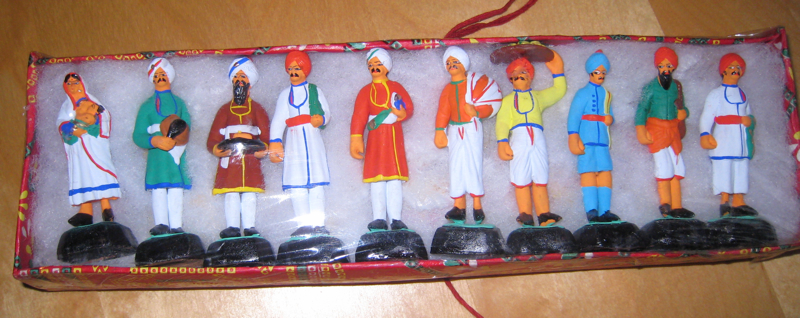
From the left:
- The ayah (nanny) who would have looked after the British family’s children, though here she’s shown breast-feeding a child. This is confusing. She would not have been taking care of her own child while in the employee of a British household, but in all my readings about the Raj, I never heard of a “native” wet-nursing a white child. Hmm.
- The valet – you can’t tell in this picture, but he is brushing a classic sola topee (pith helmet), though it’s the wrong color here.
- Cook. Judging by the beard, he is probably Muslim – the preferred religion for cooks as they did not object to cooking meat (except pork).
- Guy #4 may be some sort of general cleaner – is that green thing over his shoulder a dustcloth?
- Guy #5 has books under his arm – the kitmadgar (butler) coming to do the household accounts with memsahib?
- The big bundle of cloth over his shoulder indicates that this is the dhobi – laundry man. There are still plenty of these around, and they still carry your clothing the exact same way.
- Greengrocer, carrying his wares on his head. It’s still possible in India today to have groceries (and many other things) delivered to your home.
- This guy is wearing some kind of uniform; he may be a watchman (chowkidar).
- Another probable Muslim carrying a possible leather bag over his shoulder – bhishti (water carrier)?
- The last one on the right has a piece of clothing over his arm – probably the darzi (tailor), who would come to your house to sew your clothes. This, too, still happens – during a visit to Midlands, the girls’ dorm at Woodstock, I saw the darzi sitting in the lounge with his sewing machine, where girls brought him clothing for minor repairs or alterations.
any thoughts on this? I could be wrong about all of it!