
123 videos I did for Sun and later Oracle, plus a few later, can be found on my old YouTube channel.
Category Archives: what I do


My Year in Blogging – 2011

I have had a website for over ten years now. It began as an archive for the personal email newsletter I started publishing after leaving my job at Roxio – some of the 170,000 subscribers to my Roxio newsletters said they wanted to keep hearing from me, and some of them are still readers and friends!
The site was originally hosted on one of the free hosting services in Italy. I produced it using a simple (but sometimes infuriating) site building software for Windows, whose name I can’t bring to mind right now. Then, as it grew larger and more complex, I learned DreamWeaver to manage it. At some point I started using the straughan.com domain which my friend Markus had bought me as a birthday present. But that was a difficult URL to give out – the spelling is not intuitive – so I cast about for an easier name, and came up with beginningwithi.
The site started out mostly text – I am, first and foremost, a writer – but I’ve also been photographing since childhood. In 2004 I began videoblogging, though in recent years most of my video has been for my work at Sun, Oracle, and now Joyent.
Since starting my new position at Joyent in August, 2011, I’ve been blogging on the SmartOS and Joyeur sites, but have published few substantive articles here, except the one about my father’s death. I did do almost a full month of videos for vlomo11Â in November (missed only one day!).
Year-on-year, views and visitors were down about 5% from 2010, due to the pharma hack which took the site offline repeatedly throughout the summer, until my in-house security expert finally defeated it (and, in the process, learned some things about the vulnerabilities of DreamHost).
The site currently contains over 1,600 posts/pages. I still need to convert the remaining 100 or so pages from my old html site to WordPress. And there’s so much new writing to do, for example about the October trip to India… Onward to 2012!
Full site stats for 2011 (and advertising rates) available here.
You might also like:
Index of Videos
My videos through 2007, listed in their original order, newest first. Click a title to visit the related page, or use the YouTube link to watch the video.
- Beginning with I: The Trailer
- Landour Snow, Dec 10, 2007 — Watch on YouTube
- Woodstock Arts Evening, Dec 8, 2007 — Watch on YouTube
- Woodstock School Jazz Band, Dec 3, 2007 — Watch on YouTube
- Woodstock School Christmas Chapel Concert Dec 2, 2007
- Landour Wedding Party, Dec 1, 2007 — Watch on YouTube
- “Taming of the Shrew” Wedding Dance, Nov 16, 2007
- Hummingbirds in New Mexico – Aug, 2007 — Watch on YouTube
- Roasting Green Chiles – Aug 17, 2007 — Watch on YouTube
- Tin Tin Su and Our Lady of Drosophila – Jul 15, 2007 — Watch on YouTube
- Song: Amo Tutte le Signore – Jul 15, 2007 — Watch on YouTube
- Fanfara dei Bersaglieri – Jul 3, 2007 — Watch on YouTube
- Getting Girls Into Science Early – Jun 3, 2007 — Watch on YouTube
- ‘E Cal’arroste — Watch on YouTube
- Il Castello di Vezio – Apr 28, 2007 — Watch on YouTube
- Il Muro di Sormano – Jan 31, 2007 — Watch on YouTube
- Windy Sunday on Lake Como – Oct 9, 2006 — Watch on YouTube
- The Italian Correspondent (part of the Node 666 video collaboration – fiction!) Sep, 2006 – notable as the only time, so far, that I have appeared in front of the camera! – YouTube
- Parc Guell – Aug 16, 2006
- Casa Batlló – May 21, 2006 — Watch on YouTube
- The Streets of Barcelona – May 1, 2006 — Watch on YouTube
- Good Friday, Jesus Christ Superstar – Apr 25, 2006
- Post-Funeral Jazz and Barbecue – Apr 12, 2006 — Watch on YouTube
- Funeral Recessional – Apr 1, 2006 — Watch on YouTube
- Graveside Remarks – Apr 11, 2006
- Funeral Processional – Apr 1, 2006 — Watch on YouTube
- The Giving Tree – Apr 1, 2006 — Watch on YouTube
- Dad’s Eulogy for Rosie – Apr 1, 2006
- What I Said at Rosie’s Funeral – Apr 1, 2006
- Mantova – Mar 6, 2006 — Watch on YouTube
- Domo Arigato – Feb 18, 2006 (filmed Jan 7, 2006) — Watch on YouTube
- Video Comment on Current Events – Feb 12, 2006 — Watch on YouTube
- Video Postcard from Lecco – Feb 11, 2006
- Heavy Snowfall in Lecco Jan 27, 2006 — Watch on YouTube
- In the Kitchen at Spankyville – Jan 3, 2006 — Watch on YouTube
- You Can Leave Your Cat On – Dec 30, 2005
- Flying Over the Swiss Alps – Dec 26, 2005 — Watch on YouTube
- Wind-Up Soul — Watch on YouTube
- Woodstock Reminiscences on Video — Watch on YouTube
- Christmas in Lecco – Dec 24, 2005 — Watch on YouTube
- Italian Christmas Carols – Dec 4, 2005 — Watch on YouTube
- La Transumanza – Nov 19, 2005 — Watch on YouTube
- Video Postcard from Villa Monastero – Oct 16, 2005 — Watch on YouTube
- Sunday Sing-Along – Oct 2, 2005
- Corteo Manzoniano 2005 – Oct 1, 2005 — Watch on YouTube
- House Tortoise – Aug 15, 2005
- Mehndi Hand Painting – Aug 14, 2005 — Watch on YouTube
- Transportation in Jaipur – Aug 9, 2005 — Watch on YouTube
- English Words in Hindi Script – Aug 9, 2005 — Watch on YouTube
- Teej Festival – Aug 8, 2005 — Watch on YouTube
- How to Tie a Turban – Aug 8, 2005 — Watch on YouTube
- Jantr Mantr – Aug 7, 2005 — Watch on YouTube
- Handprinting Cloth Demonstration – Aug 6, 2005 — Watch on YouTube
- Elephant Ride to Amber Fort, Jaipur – Aug 6, 2005 — Watch on YouTube
- Inside Amber Fort – Aug 6, 2005 — Watch on YouTube
- How to Weave a Handloom Carpet – Aug 6, 2005 — Watch on YouTube
- Evening Songs at the Samode Haveli – Aug 5, 2005 — Watch on YouTube
- Learn the Indian National Anthem – Aug 3 , 2005 — Watch on YouTube
- Cicadas – Aug 2, 2005
- Tibetan Prayer Wheels – Aug 1, 2005 — Watch on YouTube
- Mussoorie Monsoon Melody – Jul 30, 2005 — Watch on YouTube
- Tenzing’s Monkey Tales – July 29, 2005 — Watch on YouTube
- Old Delhi Station – July 28, 2005 — Watch on YouTube
- Old Delhi at Night – July 27, 2005 — Watch on YouTube
- Video Postcard from Bellagio – Jul, 2005
- Italia Marching Show Bands – Jul 3, 2005 — Watch on YouTube
- I Love a Parade – Jul 2, 2005 — Watch on YouTube
- Transport Surprises – Jun 25, 2005 — Watch video 1 on YouTube · Watch video 2 on YouTube
- MBA Graduation Ceremony – Jun 10, 2005 — Watch on YouTube
- And She Was – Jun 7, 2005
- A Close Shave – Jun 3, 2005 — Watch on YouTube
- Lecco Kayaker – Jun, 2005 — Watch on YouTube
- Milan Central Station – May 24, 2005
- Kids on Scooters – May 11, 2005
- Java – Apr 16, 2005 — Watch on YouTube
- The Great Escape – Apr 16, 2005 — Watch on YouTube
- The Hundred Years’ War – Mar 10, 2005 — Watch on YouTube
- What Am I Doing Here? – Mar 10, 2005 — Watch on YouTube
- Commuting Kids – Feb or Mar, 2005
- La Bottega del Maiale – Feb 25, 2005 — Watch on YouTube
- Spankyville, Subtitled – Feb 13, 2005 — Watch on YouTube
- Welcome to Spankyville – Feb 13, 2005 — Watch on YouTube
- Winter Wonderland – Jan 22, 2005
- Bright Lights, Big City – Jan 10, 2005 — Watch on YouTube
- Jewelry Repair – Nov 3, 2004
- Jantr Mantr Delhi – Nov 2, 2004
- Delhi Bartender – Nov 2, 2004
- Delhi Dancers – Nov 2, 2004
- Making Rumali Roti – Oct 30, 2004 — Watch on YouTube
- Air Tabla – Oct 30, 2004
- Sitar Concert with Sanjeeb Sircar – Oct 30, 2004 — Watch on YouTube
- Making Jalebis – Oct 30, 2004
- Making Naan – Oct 29, 2004
- Campfire — Watch on YouTube
- Dancing Queen
- Presentation and Tea for Dick Wechter – Oct 29, 2004
- Midlands with Festive Lights – Oct 28, 2007
- Seen from an Indian Train – Oct 28, 2004 — Watch on YouTube
- Corteo Manzoniano: The Grim Sweepers – Oct 10, 2004
- Corteo Manzoniano: Parade! – Oct 10, 2004
- Corteo Manzoniano: La Peste – Oct 10, 2004
- Corteo Manzoniano: Procession – Oct 10, 2004
- Corteo Manzoniano: The Kidnapping of Lucia – Oct 10, 2004
- Corteo Manzoniano: Tradimento! – Oct 10, 2004
- Moving In – Sep 27, 2004
- Moving Out – Sep 27, 2004 — Watch on YouTube
- Volunteers – Sep 25, 2004 — Watch on YouTube
- Blues Brothers Come to Lecco – Sep 18, 2004 — Watch on YouTube
- Moving the Chandelier – Sep 24, 2004
- Funiculi, Funicula – Aug 22, 2004
- Ristorante il Capriolo – Sep 6, 2004
- Summer Storm Over Lake Como – Aug 20, 2004
- Ross & Hamish – Aug 14, 2004
- The Ferry Arrives – Aug 14, 2004
- Ferry Loading and Departure – Aug 14, 2004
- Introducing the Turtles – Aug 3, 2004
- Summer Fun, Italian Style – July 27, 2004
- On the Road to Siena – July 27, 2004
- Italian Gospel – July 20, 2004 — Watch on YouTube
- “A Sua Immagine” – July 19, 2004
- Wind-Up Soul – Jul, 2003 — Watch on YouTube
You might also like:
Introducing Your SmartOS Community Manager
About Me
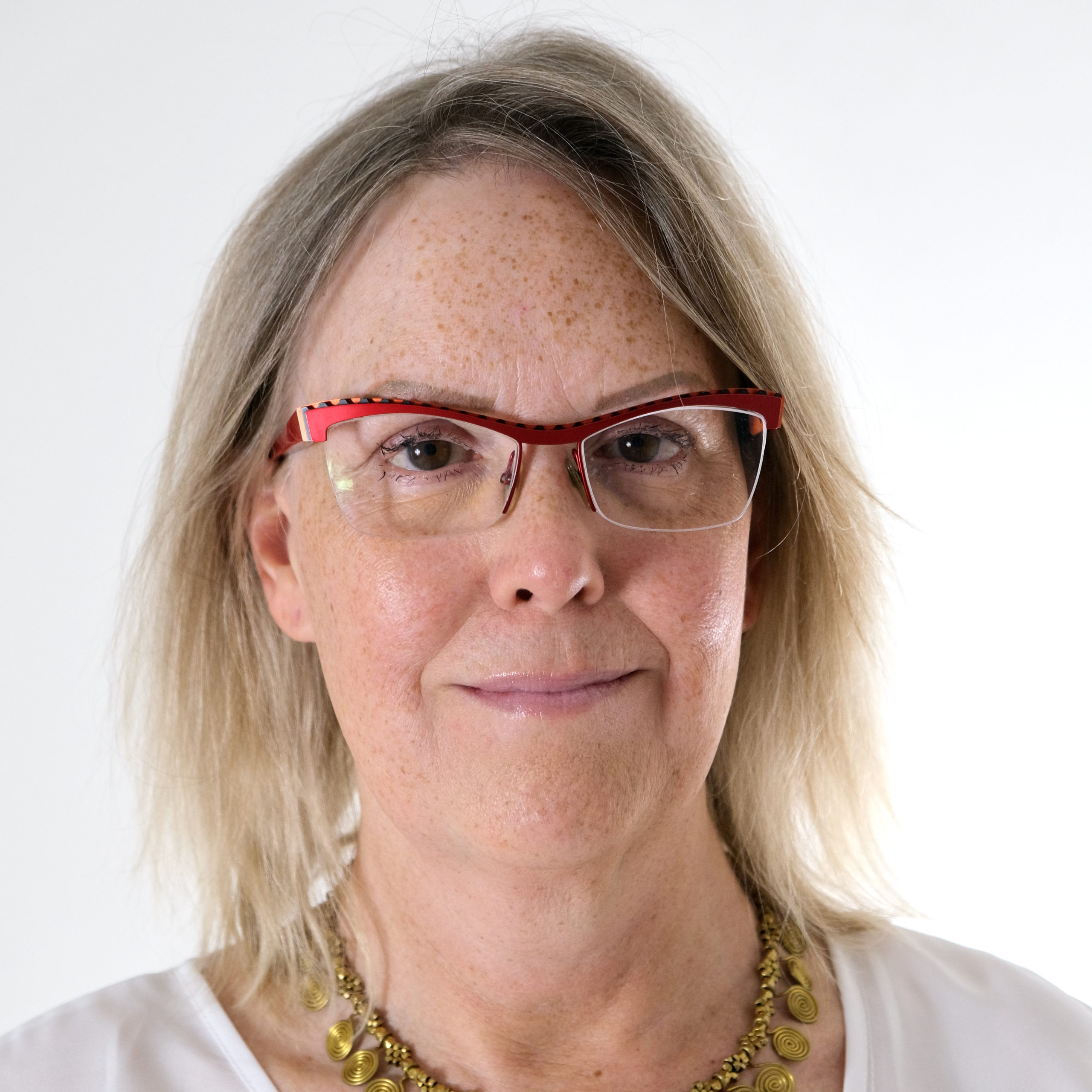
I’m Deirdré Straughan. A great deal about my personal and professional life is available on my site, Countries Beginning with I.
I have been a community manager since long before the title existed, first for the Italian startup I worked for in Milan, then for Adaptec (when it bought us), then for Adaptec’s software spinoff, Roxio. The website I designed for Roxio was probably one of the first (in 2001) to explicitly describe its customers as members of an online community.
Before I ever heard of The Cluetrain Manifesto, I was acting upon my belief that companies and customers have shared interests in the success and usefulness of products/services. I found that customers had better ideas than I did about how to help them use our stuff; my role was less about leadership than about enabling and facilitating them to work with us and each other.
The open source movement takes this attitude a logical step further: though some open source projects originate largely with a company, they need a real community (comprised of both insiders and outsiders) to thrive and grow. And I enjoy nurturing such communities.
As for this specific community: I have been working closely with Solaris and many of its creators since I joined Sun Microsystems in 2007. Though my title changed a few times, my work at Sun (and then Oracle) was always fundamentally about helping engineers communicate, both internally and externally. Part of my job was to help the OpenSolaris community, including a stint as the secretary to the OGB shortly before the end.
Specific tasks included filming hundreds of hours of experts talking about technology, and teaching others how to use video. I also did social media production for technical conferences worldwide. I also do text: among other things (blog writing and editing,articles), last year I edited (the non-code parts of) the DTrace book.
Putting it all together, I have had the privilege and pleasure of working with hundreds of smart, interesting people in tech, and that’s something I very much enjoy doing.
About the Job
Last December I began working for Joyent – once again, helping engineers and other technical types communicate what they know, including using video. Then, about a month ago, I had the chance to change roles and managers while still at Joyent. Here’s the job description as Bryan Cantrill gave it to me:
Especially as we integrate native KVM into SmartOS, we have a great opportunity to build a community around the operating system: we are the first OS to unify DTrace, ZFS, Zones and KVM under one OS kernel, and we believe that that makes us the preeminent OS for cloud computing. But to make that happen, we need to build and manage community around it. This means a bunch of things, and I’m flexible on the definition €” that’s part of why I want you heading this up.
It means making available resources to the community that explain these technologies and why they are a giant win for cloud computing; making sure that we have an awesome experience for the developer and community member to download the system, learn more about it, and start building with it (which in turn means a web presence, documentation, the right downloads, etc.); that we are engaging with the illumos community to both strengthen that community and to leverage it to strengthen SmartOS, etc. This role is reporting to me because I expect it to have quite a bit of interface with the engineers.
I was happy to accept the job, and that’s what I’m doing now.
A few words about what I am not:
- I am in no sense a computer scientist / software engineer. I’ve attempted only one programming course in my life to date (Pascal, my freshman year at UC Santa Cruz €“ so long ago that I narrowly escaped having to use punch cards!). I had no particular talent for it. I see software, like music, as an art which I can admire and enjoy, while being damned near incapable of producing it myself.
- I’m not a sysadmin. I can just about find my way around a command line, given a cheat sheet. (I took a Solaris Sysadmin course 18 months ago, but never had the opportunity to practice any of what I €œlearned€ €“ and I’m more a hands-on learner.)
So you may have to be patient with me sometimes – I don’t know a lot of what you know. But I am not afraid to admit when I don’t understand things, or to ask questions until I do understand. If you’re willing to teach, I’m happy to learn.
Right now I’m just starting to learn who you are, what you want from SmartOS, and how we can help you. You can reach me at smartos [at] joyent [dot] com, and I often hang out in #joyent, #illumos, #openindiana, and related chats on irc.freenode.net. I’m a prolific Tweeter at@deirdres, and can be found on Google+ as well.
I look forward to working with you to help make SmartOS great!
Note: I should have had this post ready on August 15th, when we began telling the world about SmartOS and KVM. Unfortunately, I was then distracted by personal circumstances.
Originally published on smartos.org
Note: Around December of that year, I also took on the community for illumos, the open source operating system kernel which is SmartOS’ parent.
You might also like:

My New Project
My new position at Joyent is SmartOS Community Manager. You can read all about it here on the new smartos.org site (now archived, so I’ve copied that text here, just in case).
Introducing Your SmartOS Community Manager
I’m Deirdré Straughan. A great deal about my personal and professional life is available on my site, Countries Beginning with I.
I have been a community manager since long before the title existed, first for the Italian startup I worked for in Milan, then for Adaptec (when it bought us), then for Adaptec’s software spinoff, Roxio. The website I designed for Roxio was probably one of the first (in 2001) to explicitly describe its customers as members of an online community.
Before I ever heard of The Cluetrain Manifesto, I was acting upon my belief that companies and customers have shared interests in the success and usefulness of products/services. I found that customers had better ideas than I did about how to help them use our stuff; my role was less about leadership than about enabling and facilitating them to work with us and each other.
The open source movement takes this attitude a logical step further: though some open source projects originate largely with a company, they need a real community (comprised of both insiders and outsiders) to thrive and grow. And I enjoy nurturing such communities.
As for this specific community… I have been working closely with Solaris and many of its creators since I joined Sun Microsystems in 2007. Though my title changed a few times, my work at Sun (and then Oracle) was always fundamentally about helping engineers communicate, both internally and externally. Part of my job was to help the OpenSolaris community, including a stint as the secretary to the OGB shortly before the end.
Specific tasks included filming hundreds of hours of experts talking about technology, and teaching others how to use video. I also did social media production for technical conferences worldwide. I also do text: among other things (blog writing and editing, articles), last year I edited (the non-code parts of) the DTrace book.
Putting it all together, I have had the privilege and pleasure of working with hundreds of smart, interesting people in tech, and that’s something I very much enjoy doing.
About the Job
Last December I began working for Joyent – once again, helping engineers and other technical types communicate what they know, including using video. Then, about a month ago, I had the chance to change roles and managers while still at Joyent. Here’s the job description as Bryan Cantrill gave it to me:
Especially as we integrate native KVM into SmartOS, we have a great opportunity to build a community around the operating system: we are the first OS to unify DTrace, ZFS, Zones and KVM under one OS kernel, and we believe that that makes us the preeminent OS for cloud computing. But to make that happen, we need to build and manage community around it. This means a bunch of things, and I’m flexible on the definition — that’s part of why I want you heading this up.
It means making available resources to the community that explain these technologies and why they are a giant win for cloud computing; making sure that we have an awesome experience for the developer and community member to download the system, learn more about it, and start building with it (which in turn means a web presence, documentation, the right downloads, etc.); that we are engaging with the illumos community to both strengthen that community and to leverage it to strengthen SmartOS, etc. This role is reporting to me because I expect it to have quite a bit of interface with the engineers.
…I was happy to accept the job, and that’s what I’m doing now.
A few words about what I am not:
- I am in no sense a computer scientist / software engineer. I’ve attempted only one programming course in my life to date (Pascal, my freshman year at UC Santa Cruz – so long ago that I narrowly escaped having to use punch cards!). I had no particular talent for it. I see software, like music, as an art which I can admire and enjoy, while being damned near incapable of producing it myself.
- I’m not a sysadmin. I can just about find my way around a command line, given a cheat sheet. (I took a Solaris Sysadmin course 18 months ago, but never had the opportunity to practice any of what I “learned” – and I’m more a hands-on learner.)
So you may have to be patient with me sometimes – I don’t know a lot of what you know. But I am not afraid to admit when I don’t understand things, or to ask questions until I do understand. If you’re willing to teach, I’m happy to learn.
Right now I’m just starting to learn who you are, what you want from SmartOS, and how we can help you. You can reach me at smartos [at] joyent [dot] com, and I often hang out in #joyent, #illumos, #openindiana, and related chats on irc.freenode.net. I’m a prolific Tweeter at @deirdres, and can be found on Google+ as well.
I look forward to working with you to help make SmartOS great!
Note: I should have had this post ready on August 15th, when we began telling the world about SmartOS and KVM. Unfortunately, I was then distracted by personal circumstances.
I’m Deirdré Straughan. A great deal about my personal and professional life is available on my site, Countries Beginning with I.
I have been a community manager since long before the title existed, first for the Italian startup I worked for in Milan, then for Adaptec (when it bought us), then for Adaptec’s software spinoff, Roxio. The website I designed for Roxio was probably one of the first (in 2001) to explicitly describe its customers as members of an online community.
Before I ever heard of The Cluetrain Manifesto, I was acting upon my belief that companies and customers have shared interests in the success and usefulness of products/services. I found that customers had better ideas than I did about how to help them use our stuff; my role was less about leadership than about enabling and facilitating them to work with us and each other.
The open source movement takes this attitude a logical step further: though some open source projects originate largely with a company, they need a real community (comprised of both insiders and outsiders) to thrive and grow. And I enjoy nurturing such communities.
As for this specific community… I have been working closely with Solaris and many of its creators since I joined Sun Microsystems in 2007. Though my title changed a few times, my work at Sun (and then Oracle) was always fundamentally about helping engineers communicate, both internally and externally. Part of my job was to help the OpenSolaris community, including a stint as the secretary to the OGB shortly before the end.
Specific tasks included filming hundreds of hours of experts talking about technology, and teaching others how to use video. I also did social media production for technical conferences worldwide. I also do text: among other things (blog writing and editing, articles), last year I edited (the non-code parts of) the DTrace book.
Putting it all together, I have had the privilege and pleasure of working with hundreds of smart, interesting people in tech, and that’s something I very much enjoy doing.
About the Job
Last December I began working for Joyent – once again, helping engineers and other technical types communicate what they know, including using video. Then, about a month ago, I had the chance to change roles and managers while still at Joyent. Here’s the job description as Bryan Cantrillgave it to me:
Especially as we integrate native KVM into SmartOS, we have a great opportunity to build a community around the operating system: we are the first OS to unify DTrace, ZFS, Zones and KVM under one OS kernel, and we believe that that makes us the preeminent OS for cloud computing. But to make that happen, we need to build and manage community around it. This means a bunch of things, and I’m flexible on the definition — that’s part of why I want you heading this up.
It means making available resources to the community that explain these technologies and why they are a giant win for cloud computing; making sure that we have an awesome experience for the developer and community member to download the system, learn more about it, and start building with it (which in turn means a web presence, documentation, the right downloads, etc.); that we are engaging with the illumos community to both strengthen that community and to leverage it to strengthen SmartOS, etc. This role is reporting to me because I expect it to have quite a bit of interface with the engineers.
…I was happy to accept the job, and that’s what I’m doing now.
A few words about what I am not:
- I am in no sense a computer scientist / software engineer. I’ve attempted only one programming course in my life to date (Pascal, my freshman year at UC Santa Cruz – so long ago that I narrowly escaped having to use punch cards!). I had no particular talent for it. I see software, like music, as an art which I can admire and enjoy, while being damned near incapable of producing it myself.
- I’m not a sysadmin. I can just about find my way around a command line, given a cheat sheet. (I took a Solaris Sysadmin course 18 months ago, but never had the opportunity to practice any of what I “learned” – and I’m more a hands-on learner.)
So you may have to be patient with me sometimes – I don’t know a lot of what you know. But I am not afraid to admit when I don’t understand things, or to ask questions until I do understand. If you’re willing to teach, I’m happy to learn.
Right now I’m just starting to learn who you are, what you want from SmartOS, and how we can help you. You can reach me at smartos [at] joyent [dot] com, and I often hang out in #joyent, #illumos, #openindiana, and related chats on irc.freenode.net. I’m a prolific Tweeter at@deirdres, and can be found on Google+ as well.
I look forward to working with you to help make SmartOS great!
Note: I should have had this post ready on August 15th, when we began telling the world about SmartOS and KVM. Unfortunately, I was then distracted by personal circumstances.
I’m Deirdré Straughan. A great deal about my personal and professional life is available on my site, Countries Beginning with I.
I have been a community manager since long before the title existed, first for the Italian startup I worked for in Milan, then for Adaptec (when it bought us), then for Adaptec’s software spinoff, Roxio. The website I designed for Roxio was probably one of the first (in 2001) to explicitly describe its customers as members of an online community.
Before I ever heard of The Cluetrain Manifesto, I was acting upon my belief that companies and customers have shared interests in the success and usefulness of products/services. I found that customers had better ideas than I did about how to help them use our stuff; my role was less about leadership than about enabling and facilitating them to work with us and each other.
The open source movement takes this attitude a logical step further: though some open source projects originate largely with a company, they need a real community (comprised of both insiders and outsiders) to thrive and grow. And I enjoy nurturing such communities.
As for this specific community… I have been working closely with Solaris and many of its creators since I joined Sun Microsystems in 2007. Though my title changed a few times, my work at Sun (and then Oracle) was always fundamentally about helping engineers communicate, both internally and externally. Part of my job was to help the OpenSolaris community, including a stint as the secretary to the OGB shortly before the end.
Specific tasks included filming hundreds of hours of experts talking about technology, and teaching others how to use video. I also did social media production for technical conferences worldwide. I also do text: among other things (blog writing and editing, articles), last year I edited (the non-code parts of) the DTrace book.
Putting it all together, I have had the privilege and pleasure of working with hundreds of smart, interesting people in tech, and that’s something I very much enjoy doing.
About the Job
Last December I began working for Joyent – once again, helping engineers and other technical types communicate what they know, including using video. Then, about a month ago, I had the chance to change roles and managers while still at Joyent. Here’s the job description as Bryan Cantrillgave it to me:
Especially as we integrate native KVM into SmartOS, we have a great opportunity to build a community around the operating system: we are the first OS to unify DTrace, ZFS, Zones and KVM under one OS kernel, and we believe that that makes us the preeminent OS for cloud computing. But to make that happen, we need to build and manage community around it. This means a bunch of things, and I’m flexible on the definition — that’s part of why I want you heading this up.
It means making available resources to the community that explain these technologies and why they are a giant win for cloud computing; making sure that we have an awesome experience for the developer and community member to download the system, learn more about it, and start building with it (which in turn means a web presence, documentation, the right downloads, etc.); that we are engaging with the illumos community to both strengthen that community and to leverage it to strengthen SmartOS, etc. This role is reporting to me because I expect it to have quite a bit of interface with the engineers.
…I was happy to accept the job, and that’s what I’m doing now.
A few words about what I am not:
- I am in no sense a computer scientist / software engineer. I’ve attempted only one programming course in my life to date (Pascal, my freshman year at UC Santa Cruz – so long ago that I narrowly escaped having to use punch cards!). I had no particular talent for it. I see software, like music, as an art which I can admire and enjoy, while being damned near incapable of producing it myself.
- I’m not a sysadmin. I can just about find my way around a command line, given a cheat sheet. (I took a Solaris Sysadmin course 18 months ago, but never had the opportunity to practice any of what I “learned” – and I’m more a hands-on learner.)
So you may have to be patient with me sometimes – I don’t know a lot of what you know. But I am not afraid to admit when I don’t understand things, or to ask questions until I do understand. If you’re willing to teach, I’m happy to learn.
Right now I’m just starting to learn who you are, what you want from SmartOS, and how we can help you. You can reach me at smartos [at] joyent [dot] com, and I often hang out in #joyent, #illumos, #openindiana, and related chats on irc.freenode.net. I’m a prolific Tweeter at@deirdres, and can be found on Google+ as well.
I look forward to working with you to help make SmartOS great!
Note: I should have had this post ready on August 15th, when we began telling the world about SmartOS and KVM. Unfortunately, I was then distracted by personal circumstances.